Curriculum
At St Mary’s C of E Primary School, we seek to provide a broad, balanced, differentiated curriculum and offer a wide range of exciting, challenging activities and experiences to all pupils irrespective of ability, background, ethnic origin or gender.
Our curriculum incorporates the statutory requirements of the National Curriculum and other experiences and opportunities which best meet the learning and developmental needs of the pupils in our school. The aim of our curriculum is for pupils to have the requisite skills to be successful, independent and motivated learners in readiness for their next stage of education and beyond. In fact, our shared vision is to provide an empowering curriculum and prepare pupils for success in a changing world and so, in this endeavour, we create stimulating learning environments for the children in partnership with parents, the church, the wider community and providers.
We believe St Mary’s is a caring, listening school where the children feel safe, are valued and can achieve their very best. Our children develop their understanding of how they learn best (metacognition), together we celebrate success and also demonstrate that ‘making mistakes’ are opportunities for growth and learning. At St Mary’s, we learn that there are different pathways to success and develop perseverance (one of our Christian Values) by overcoming barriers. Through the curriculum, we aim to prepare pupils for the opportunities, experiences and responsibilities of adult life and to lay a firm foundation for future learning.
We believe the best learning follows four modes of learning – foundational, conceptual, collaborative and personal. This promotes long term memory retrieval and greater impact on outcomes. We promote behaviours for learning to develop independence and resilience in the classroom. Our aim is that learning is always effective and taught in a meaningful context for children. The rehearsal and application of skills learned in the core subject areas is a key feature of the curriculum. The children are taught a planned programme of work throughout their years at St Mary’s Primary School. At certain times of the school day individuals or small groups may be withdrawn from the main lesson. These intervention groups receive additional English and Maths support. They may also be withdrawn to stretch and challenge more able learners. Staff may lead booster groups to ensure academically able children are constantly challenged. We acknowledge that people learn in many different ways and we recognise the need to develop strategies that allow all children to learn in ways that suits them. Opportunities are planned to cater for a range of different learning styles to ensure that all children can access the curriculum and learn in a way that is best for them. We enhance this with planned opportunities that make up the wider school.

At St Mary's we believe that all our children can become fluent readers and writers. This is why we teach reading through Little Wandle Letters and Sounds Revised, which is a systematic and synthetic phonics programme. We start teaching phonics in Reception and follow the Little Wandle Letters and Sounds Revised progression, which ensures children build on their growing knowledge of the alphabetic code, mastering phonics to read and spell as they move through school.
As a result, all our children are able to tackle any unfamiliar words as they read. At St Mary's, we also model the application of the alphabetic code through phonics in shared reading and writing, both inside and outside of the phonics lesson and across the curriculum. We have a strong focus on language development for our children because we know that speaking and listening are crucial skills for reading and writing in all subjects.
Validated systematic, synthetic phonics programme: 'Little Wandle Letters and Sounds Revised'
We teach early reading through the validated systematic, synthetic phonics programme 'Little Wandle Letters and Sounds Revised' which we have just purchased and implemented.
Right from the start of Nursery, children will have a daily phonics lesson which follows the progression for Little Wandle Letters and Sounds and this continues in Year One to ensure children become fluent readers.
In Reception, we build from 10-minute lessons, with additional daily oral blending games, to the full-length lesson as quickly as possible. Each Friday, we review the week’s teaching to help children become fluent readers. Children make a strong start in Reception: teaching begins in Week 3 of the Autumn term.
We follow the Little Wandle Letters and Sounds Revised expectations of progress (see below). Four new phonemes and their corresponding graphemes are taught (GPCs) each week and they are then used in the final lesson of the week to review the week’s learning. Children will also learn tricky words during these sessions.
In the Autumn and Spring term, Reception learn phase 2 and phase 3 GPCs and then will spend the final term learning phase 4. Year 1 begin the Autumn term with 3 weeks of revision of phases 2, 3 and 4 before learning phase 5, which will be completed by the end of the year. Year 2 children will begin the year by revisiting phase 5 and other previously taught phases to ensure all children are completely confident with applying these GPCs in both their reading and also their writing. They will then continue with the Bridge to spelling programme. (please see the overview here for what this progression looks like).
Half termly assessments take place through Reception and Year 1 to help inform future teaching and help identify children who have gaps in their phonic knowledge and need additional practice. Daily assessment of learning also takes place within the classroom so staff can quickly identify any children who are in danger of falling behind and provide the appropriate daily ‘Keep Up’ intervention.
Useful Documents
Comprehension
At St Mary's we value reading as a crucial life skill. By the time children leave us, they read confidently for meaning and regularly enjoy reading for pleasure. Our readers are equipped with the tools to tackle unfamiliar vocabulary. We encourage our children to see themselves as readers for both pleasure and purpose.Because we believe teaching every child to read is so important, we have a Reading Leader who drives the early reading programme in our school. This person is highly skilled at teaching phonics and reading, and they monitor and support our reading team, so everyone teaches with fidelity to the Little Wandle Letters and Sounds Revised programme.
Supporting your child with reading
Although your child will be taught to read at school, you can have a huge impact on their reading journey by continuing their practice at home.
There are two types of reading book that your child may bring home:
A reading practice book. This will be at the correct phonic stage for your child. They should be able to read this fluently and independently.
A sharing book. Your child will not be able to read this on their own. This book is for you both to read and enjoy together.
Reading practice book
This book has been carefully matched to your child’s current reading level. If your child is reading it with little help, please don’t worry that it’s too easy – your child needs to develop fluency and confidence in reading.
Listen to them read the book. Remember to give them lots of praise – celebrate their success! If they can’t read a word, read it to them. After they have finished, talk about the book together.
Sharing book
In order to encourage your child to become a lifelong reader, it is important that they learn to read for pleasure. The sharing book is a book they have chosen for you to enjoy together.
Please remember that you shouldn’t expect your child to read this alone. Read it to or with them. Discuss the pictures, enjoy the story, predict what might happen next, use different voices for the characters, explore the facts in a non-fiction book. The main thing is that you have fun!

Statement of Intent for English
1. Intent
At St Mary’s we believe that a good quality English curriculum should develop children’s love of reading, writing and discussion. One of our priorities is helping children read and develop their all-important comprehension skills. We recognise the importance of nurturing a culture where children take pride in their writing, can write clearly and accurately and adapt their language and style for a range of contexts and purposes. We want to inspire children to be confident in the art of speaking and listening and who can use discussion to communicate and further their learning.
We believe that children need to develop a secure knowledge-base in Literacy, which follows a clear pathway of progression as they advance through the primary curriculum. We believe that a secure basis in literacy skills is crucial to a high quality education and will give our children the tools they need to participate fully as a member of society.
2. Implementation
These aims are embedded across our literacy lessons and the wider curriculum. We have a rigorous and well organised English curriculum and framework, that provides many purposeful opportunities for reading, writing and discussion. Following Grammarsaurus, we use a wide variety of quality texts and resources to motivate and inspire our children. Teachers also ensure that, when applicable, cross curricular links with topic work are woven into the programme of study.
The National Curriculum (2014) for English aims to ensure that all pupils:
● read easily, fluently and with good understanding
● develop the habit of reading widely and often, for both pleasure and information
● acquire a wide vocabulary, an understanding of grammar and knowledge of linguistic conventions for reading, writing and spoken language
● appreciate our rich and varied literary heritage
● write clearly, accurately and coherently, adapting their language and style in and for a range of contexts, purposes and audiences
● use discussion in order to learn; they should be able to elaborate and explain clearly their understanding and ideas
● are competent in the arts of speaking and listening, making formal presentations, demonstrating to others and participating in debate.
At St Mary’s we begin our English Curriculum using the Little Wandle programme, Letters and Sounds Revised. Our Reading Buddies scheme introduced in the Autumn term of 2018 goes from strength to strength with children looking forward to reading to a buddy, or hearing fiction and non-fiction texts read to them by older children. Our school library is full of books which, twice a week, year 6 children supervise and monitor the borrowing of across the whole school. Each classroom has age appropriate books in their books corners and feature a range of fiction and non-fiction.
At St Mary’s, we identify children who need support and provide intervention in the most effective and efficient way that we can. We are fortunate to have parents and helpers who come in regularly to hear children read. Teachers plan and teach English lessons which are adapted accordingly to the particular needs of each child. We help each child maximise their potential by providing help and support where necessary whilst striving to make children independent workers once we have helped to equip them with the confidence, tools and strategies that they need.
We run parent information sessions on reading and Phonics and a SATs meeting for Year 6 parents so that they understand age-related expectations. These sessions are always very well attended by parents.
Marking is rigorous in English and across the curriculum, with regular verbal feedback and spelling corrections to help children correct and consolidate their work. Regular English book scrutinies are carried out by the English lead to check all teachers are following our marking policy rigorously.
We love to celebrate success of all learners and strive to help all children achieve their goals. Reading is celebrated in classrooms and around school at St Mary’s, where our bright and colourful and topical displays celebrate children’s writing, their favourite books and reading reward schemes. In addition, our literacy curriculum is enhanced annually through World Book Day.
Within the Early Years, children are encouraged to develop a love of reading from an early age. They enjoy listening to and joining in with a range of stories and they are encouraged to explore books independently. The children have daily taught phonics sessions using the Little Wandle Letters and sounds and they quickly develop their confidence as they blend and segment phonemes for reading and writing. The children are encouraged to use the phonological knowledge that they have acquired when writing. Writing and reading areas are integral to the continuous provision within the classroom and children are encouraged to access these independently. Fine motor skills are developed through daily early morning activities and the children are encouraged to develop a tri-grip pencil hold as they develop their hand dominance.
3. Impact
The impact on our children is clear: progress, sustained learning and transferrable skills. With the implementation of the writing journey being well established and taught thoroughly in both key stages, children are becoming more confident writers and by the time they are in upper Key Stage 2, most genres of writing are familiar to them and the teaching can focus on creativity, writer’s craft, sustained writing and manipulation of grammar and punctuation skills.
Termly assessment is undertaken using NFER Assessment papers. We hope that all the new literacy initiatives outlined above will help continue to boost children’s learning and progress.
As all aspects of English are an integral part of the curriculum, cross curricular writing standards are beginning to improve and skills taught in the English lessons are being transferred into other subjects; this shows a move to a consolidation of skills and a deeper understanding of how and when to use specific grammar, punctuation and grammar objectives.
We hope that as children move on from St Mary’s to Secondary School: their creativity, passion for English and high aspirations travel with them and continue to grow and develop as they do.

Intent
At St Mary's, we believe that maths is essential to everyday life and provides a foundation for understanding the world. We want to ignite a sense of curiosity of maths in our children and ensure that they enjoy the subject. Our aim in maths is to ensure that the children become fluent in the fundamentals, can reason mathematically and can solve problems by applying their learning to varied situations with confidence.
We want the children to see that maths is an interconnected subject, to make connections across the different areas to develop their fluency. This is why we have adopted the mastery approach to teaching and learning maths. The idea is introduced in the Foundation Stage and developed through the White Rose scheme of work in Years 1-4. At the same time, we unlock a passion for the subject, motivating the children to learn; encourage the children to believe that they can and will achieve in maths; and produce lifelong learners of the subject.
Implementation
Our pupils are encouraged to physically represent mathematical concepts. Objects and pictures are used to demonstrate and visualise abstract ideas, alongside numbers and symbols.
Concrete – children have the opportunity to use concrete objects and manipulatives to help them understand and explain what they are doing.
Pictorial – children then build on this concrete approach by using pictorial representations, which can then be used to reason and solve problems.
Abstract – With the foundations firmly laid, children can move to an abstract approach using numbers and key concepts with confidence.
Below outlines the progression through the 6 distinct domains in maths at Christ Church First School.
Number and place value:
During the Early Years, children become familiar with the idea of numbers through songs, counting small numbers of objects, beginning to use marks to represent numbers and starting to recognise numbers in the environment. By the end of this phase, children are able to count to 20, use number bonds to 10 and recognise odd and even numbers. This number knowledge is then developed in Keys Stage 1 when children become familiar with numbers up to 100, understanding the place value of the digits in these numbers and being able to count forwards and backwards in jumps of 2, 10, 3 and 5. Throughout Lower Key Stage 2, children’s number knowledge is extended to 10,000. Again, they use place value to recognise the worth of each digit and use patterns to help them count forward and backwards in jumps of varying size. Rounding numbers is also introduced with children learning how to round to the nearest 10, 100 or 1000. Roman numerals to 100 are also introduced.
Number-Fractions:
In the Early Years, children are introduced to the language of sharing and describing amounts and are able to solve problems that involve halving and doubling. In Key Stage 1, children’s knowledge of fractions is extended beyond halves to quarters and thirds. They are able to find parts of quantities as well as sets of objects and can name different fractions. Children also begin to compare and order unit fractions and fractions with the same denominator. During their time in Lower Key Stage 2, children build on their knowledge of fractions by finding equivalents and simplifying fractions. They move on to comparing and ordering non-unit fractions as well as those with different denominators. Children are able to add fractions with the same denominator and the idea of mixed numbers and improper fractions are introduced. Decimals are also introduced at the end of this Key Stage, with children able to write and order decimals up to hundredths and round numbers with one decimal place to the nearest whole number. They use their understanding of decimals to divide whole numbers by 10 and 100.
Statistics:
Whilst in the Early Years, children at Christ Church start to make comparisons of things in their environment and begin to collect simple data such as eye or hair colour. This data collection is then developed in Key Stage 1, when children start to present the information they have collected using picture graphs with a 1:1 scale or where the picture represents 2, 5 or 10. In Lower Key Stage 2, children are also introduced to bar charts as a way of presenting data and they are able to construct their own as well as interpret existing ones. Line graphs are also introduced.
Geometry-Property of Shapes:
During the Early Years, children are encouraged to show an interest in shapes in the environment and to talk about the shapes of everyday objects. They are able to describe 2D and 3D shapes using the correct language and begin making and recognising repetitive patterns. When in Key Stage 1, children build on their base knowledge of 2D and 3D shapes to sort them according to the properties and to talk about 3D shapes in terms of faces, edges and vertices. In Lower Key Stage 2, children are introduced to angles and learn that there are different types of angles within the 2D shapes they have learnt about previously. They learn about different types of lines and begin to describe 2D shapes in terms of their angles and lines. Children learn about broad shape names (triangles and quadrilaterals) and use their properties to recognise them. Symmetry is also introduced as a way of describing the properties of shapes.
Geometry-Position and Direction:
Children in the Early Years use positional language, prepositions and ordinal numbers. In Key Stage 1, the children are then introduced to the idea of objects and shapes moving left or right, clockwise or anti-clockwise, up or down etc. Turns are also introduced in terms of a quarter, half or three-quarter to describe how a 2D shape has moved. This language is then applied to positions of shapes on a grid in Lower Key Stage 2. Children also plot coordinate points (in the first quadrant) and translate shapes using language of up/down and left/right.
Measurement – Time:
In the Early Years, children begin using the language of time (before, later, soon) and begin anticipating time-specific events such as lunch time and home time. This understanding of time is developed in Key Stage 1 when children learn to tell the time to 5 minutes, including o’clock, half past, quarter to and quarter past. They are able to draw hands on clocks, sequence events and find start and finishing times. In Lower Key Stage 2, children build on their ability to tell the time by writing them to the nearest minute, using am and pm and using both analogue and digital clocks. They learn how to tell the time using a 24-hour clock and can convert between minutes and seconds, and hours and minutes.
Temperature:
Temperature is introduced in Key Stage 1, where children learn how to read and estimate temperature. This knowledge is then used and embedded throughout the rest of the school when teaching other areas such as statistics and negative numbers.
Money:
Children in the Early Years are introduced to some of the language associated with money. When in Key Stage 1, children learn how to recognise notes and coins, find total amounts and give money in coins, notes and a mixture of both as well as how to show equivalent amounts of money in different ways. After learning about money notations previously, children in Lower Key Stage 2 are able to add and subtract amounts of money and calculate change. The also begin to use other skills such as estimating to work out how much something will cost as well as rounding to work out an approximate total.
Length, Mass and Capacity:
During the Early Years, children begin to use language of size and start comparing and ordering objects in terms of their height, weight or length. They are introduced to capacity by talking about objects being full, half-full or empty. In Key Stage 1, children measure the length or weight of objects using non-standard measures (e.g. body parts, other objects) before being introduced to centimetres and metres; grams and kilograms; and litres and millilitres. Throughout this, children compare the length/weight/height/volume of objects. When in Lower Key Stage 2, children use the units they learned about previously to measure objects in a mixture of units (e.g. the length of a line in centimetres and millimetres). They begin reading scales to measure objects. It is in this phase that children are also introduced to perimeter and area of rectangles and squares.
In the Early Years, maths is strongly linked to the adventure being taught giving real purpose to the subject. Due to the nature of White Rose Maths, this isn’t always possible in other year groups, although teachers are encouraged to use the context of their adventure where appropriate. In all classrooms, a selection of practical resources are available for children to select from to enable them to move through the concrete, pictorial and abstract model of learning in maths.
At all times, children are encouraged to make connections across the different areas of maths and to apply their knowledge to different contexts.
Impact
By the time children leave St Mary’s they will have –
- Moved through the programmes of study at broadly the same pace
- Confidence in each yearly objective and develop their ability to use this knowledge to develop a greater depth understanding, to solve varied fluency problems, as well as problem solving and reasoning questions
- Been challenged through rich and sophisticated problems, before any acceleration of new content, to add depth to the curriculum
- Ensure any concepts that are not sufficiently secured will receive rapid intervention, to consolidate knowledge and understanding through additional practise

We are proud to be a myHappymind school! myHappymind is all based around helping children to understand how their brain works and to support them in developing positive skills and habits to be their very best selves!
At St Mary's Primary School, we use My Happy Mind to help create a positive mental wellbeing culture in which children build resilience, self-esteem, and character. My Happy Mind uses the latest research, science, and technology to help children develop lifelong habits and learn to thrive.
My Happy Mind is taught across the whole school in weekly sessions, and consists of 5 units for our health and wellbeing and further units to support our PSHE learning:
 Meet Your Brain – Learning about how our brains work.
 Celebrate – Understanding our character strengths and celebrating ourselves.
 Appreciate – Developing gratitude as a habit.
 Relate – Building positive relationships.
 Engage – Engaging with the world.
To further embed this learning, myHappymind has developed a Parent App. These resources can be accessed online on your computer, or through an app on your phone. The Parent App will support you as a parent in understanding what your child is learning, activities for you to do together at home and also a Kids Zone featuring myHappymind Games plus much more!

To access these materials just go to https://myhappymind.org/parent-resources to create your free account. You will need to enter your name, email, and authentication code. Please find your code to access the parent app in our communications. If you cannot find this, please get in contact.
Intent
The intent of our PSHE curriculum at St Mary’s is to deliver a curriculum which is accessible to all and that will maximise the outcomes for every child. In an ever-changing world, it is important that they have high aspirations, a belief in themselves and realise that anything is possible if they put their mind to it. We want our pupils to develop a confidence in sharing their own thoughts and opinions with others, develop skills and attributes to keep themselves healthy and safe. We want them to show tolerance of others beliefs, religions and life choices, and to build positive, respectful relationships with other people.
Implementation
Our PSHE curriculum follows My Happy Mind. PSHE has been divided into different strands. Within each strand, there are age appropriate topics for the different year groups. In the Foundation Stage, PSHE is an integral part of ongoing work covered during the year.
Lessons involve class discussions and group activities and evidence of the work completed is gathered into a class book so that the focus is on the discussions and the children’s understanding of what is taught and not on the written aspects. Lessons are usually supported by age appropriate books and texts.
As needed, support is provided to children when they find particular topics more challenging and each class has created their own set of rules for support so that pupils know where to go.
Assessment has been included as an integral part of each topic. At the beginning of the topic pupils complete a pre-topic assessment activity, which is then repeated at the end of the topic. This enables pupils and teachers to understand and demonstrate the progress made.
Impact
Our school values and inclusion of safeguarding within our curriculum is vital as first and foremost, we want our children to be safe and happy so that they can excel in all aspects of school life. Our PSHE curriculum provides them with a chance to reflect and learn about these crucial elements.
Our children and staff value well-being, mental health and good citizenship. Through our curriculum, we believe that we prepare children for the next stage in their education as well as preparing them, during this vital stage of their life, for the adult world.

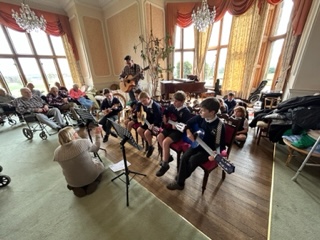
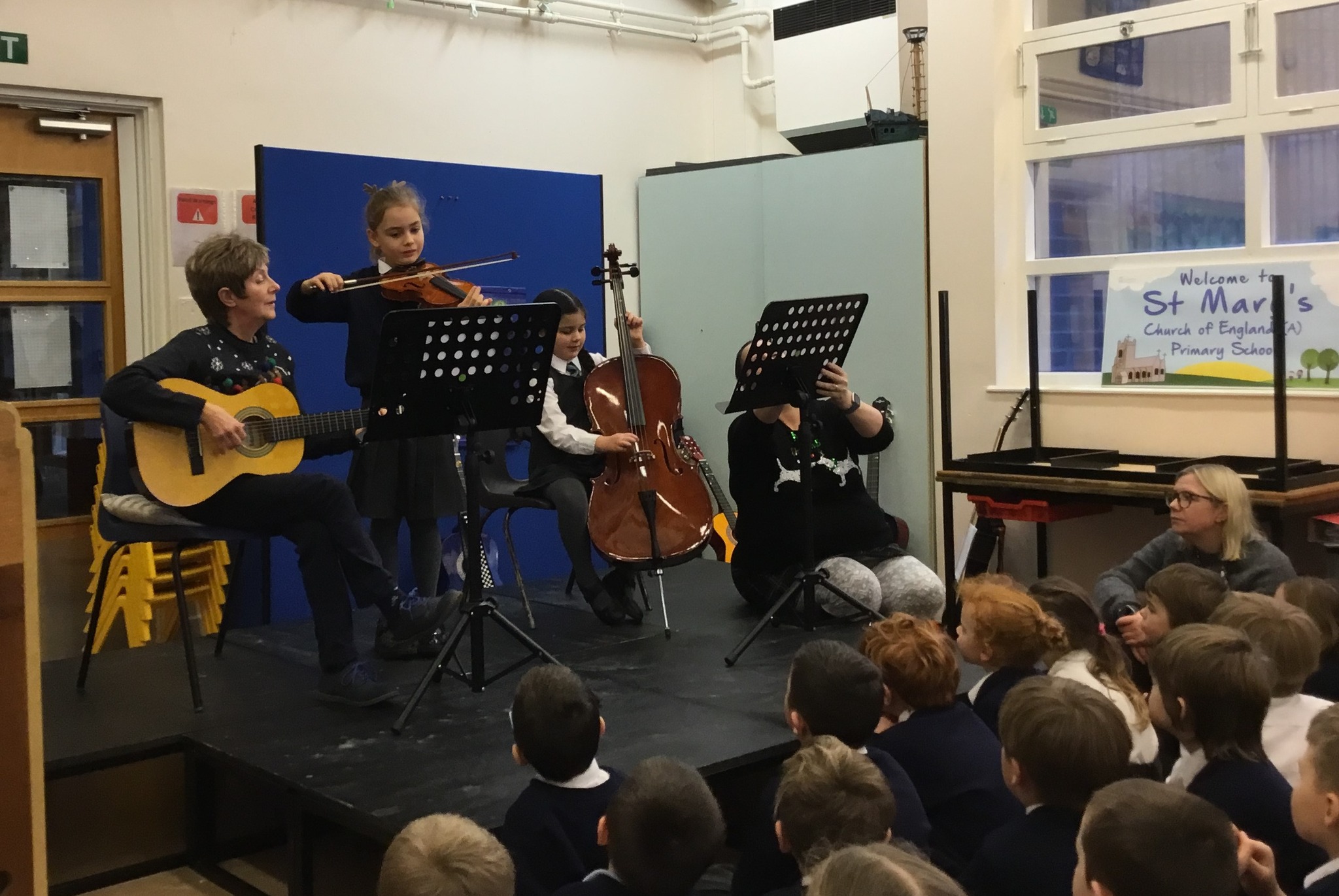
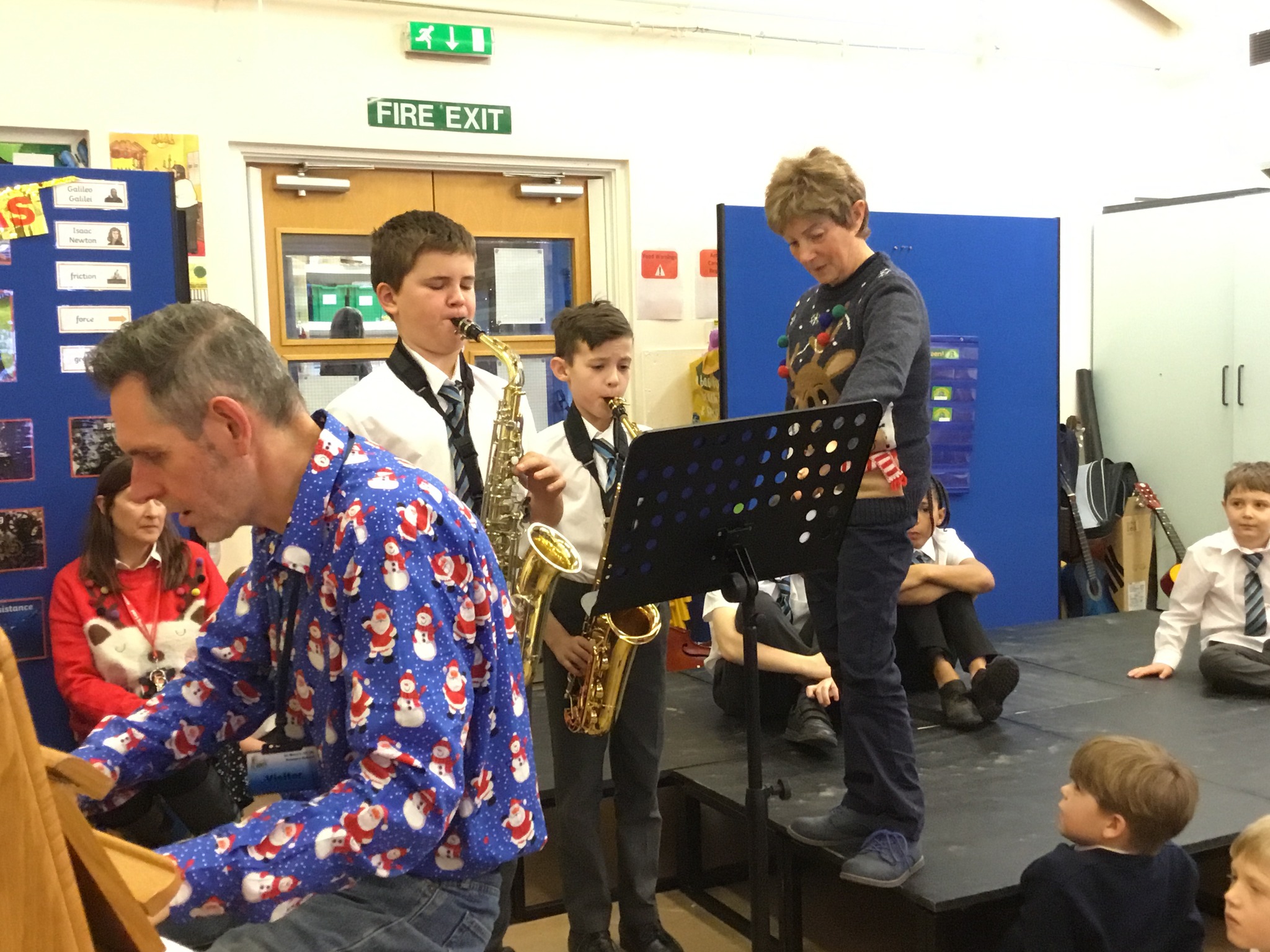
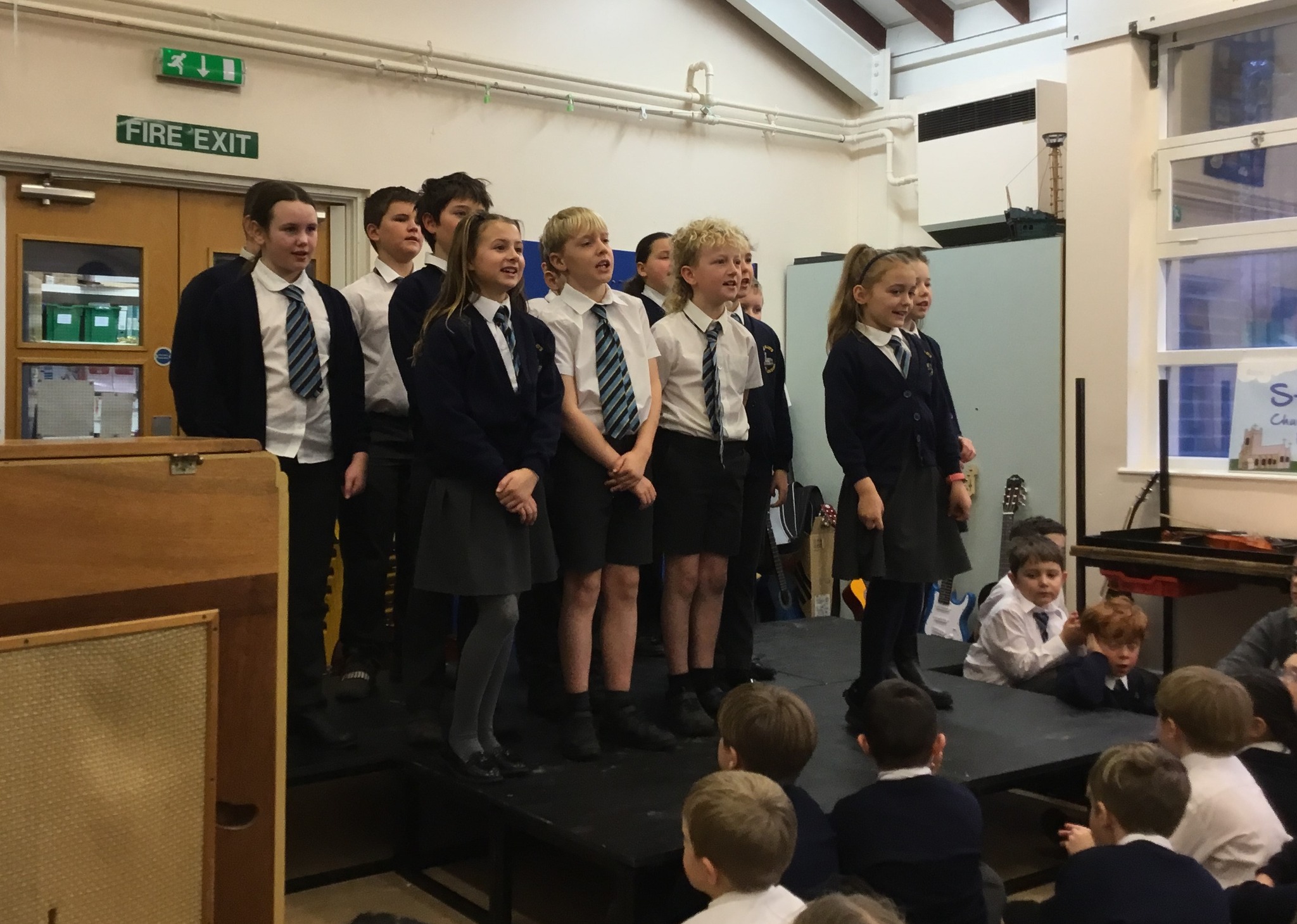
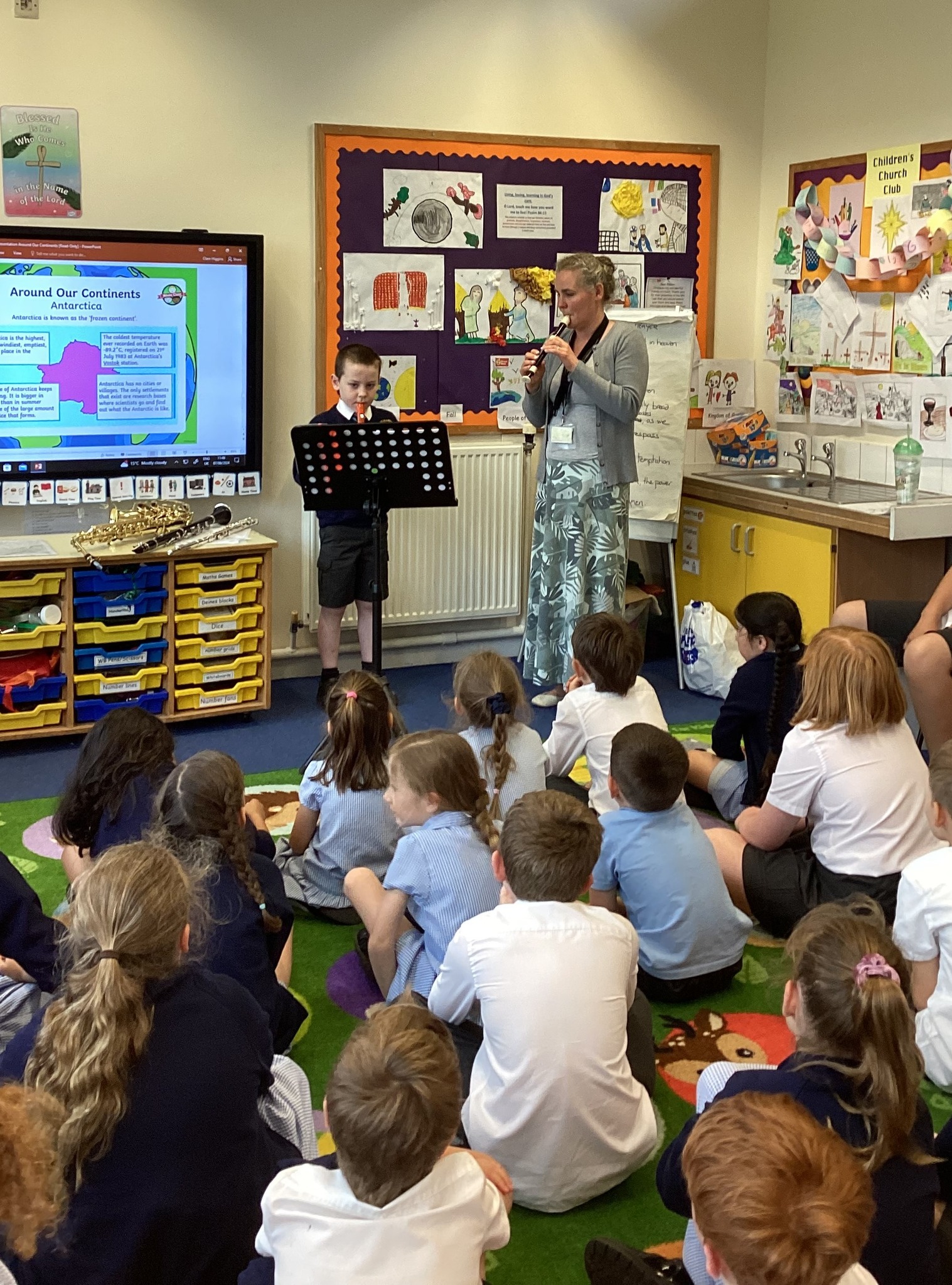
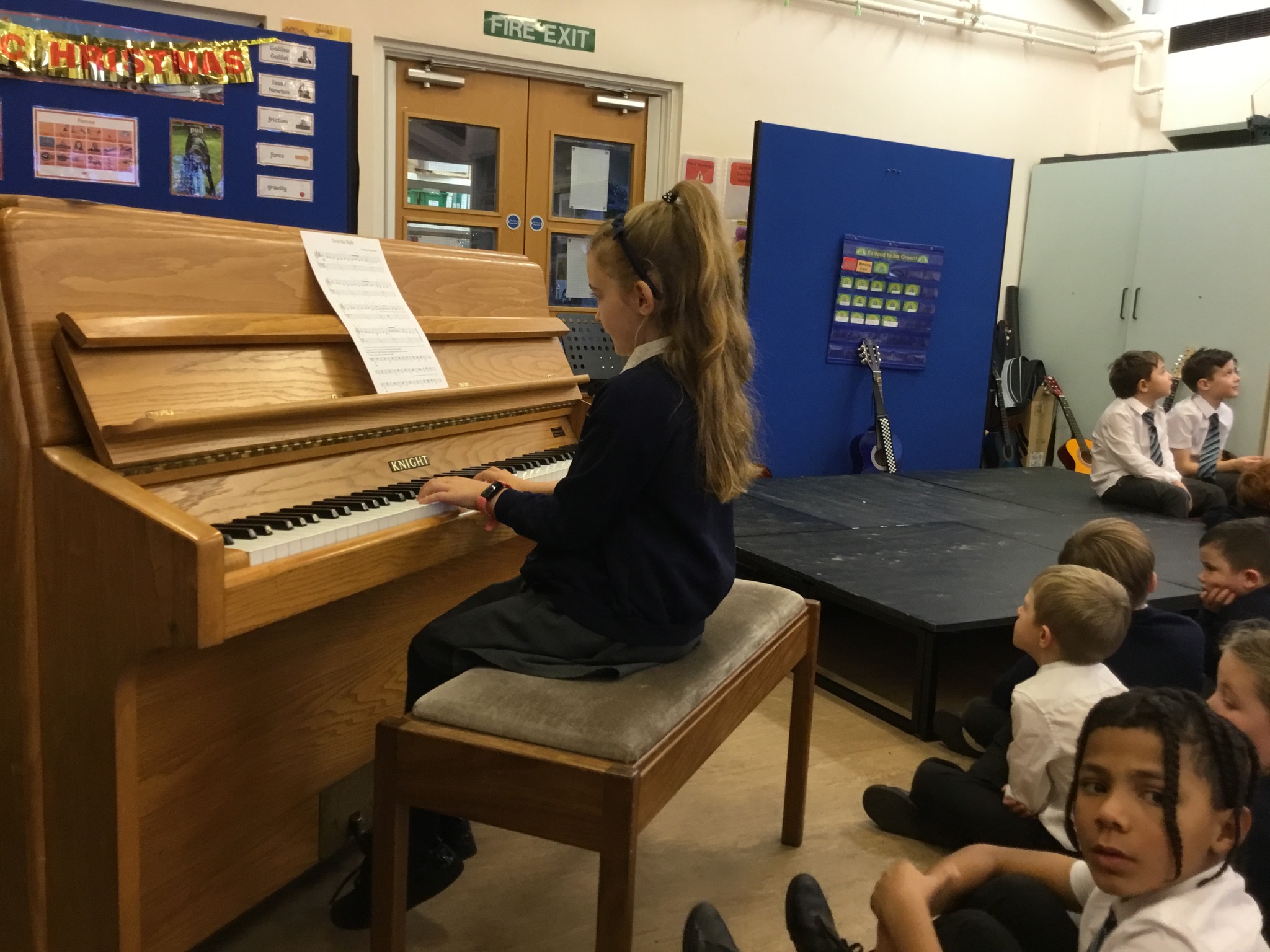
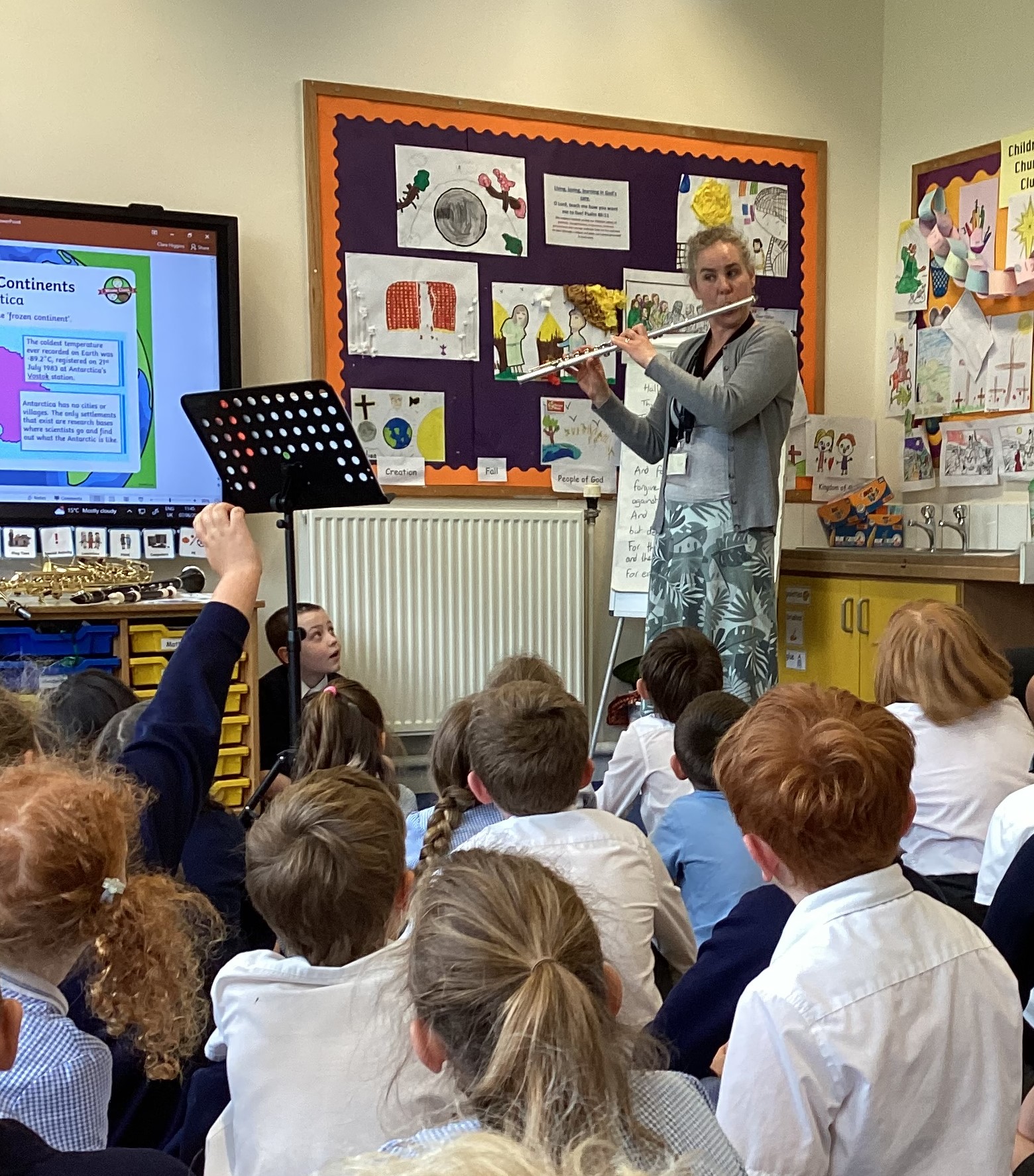
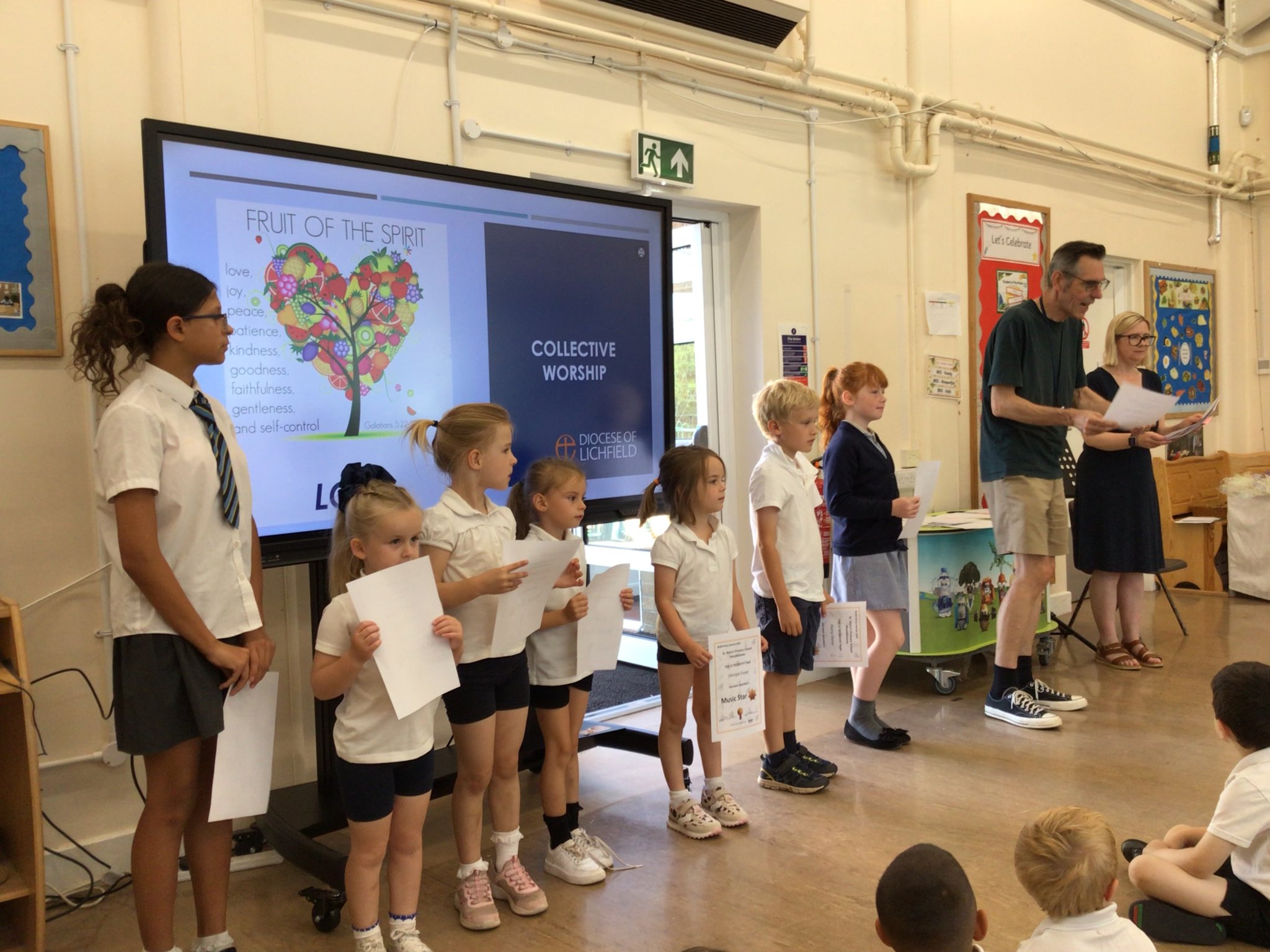
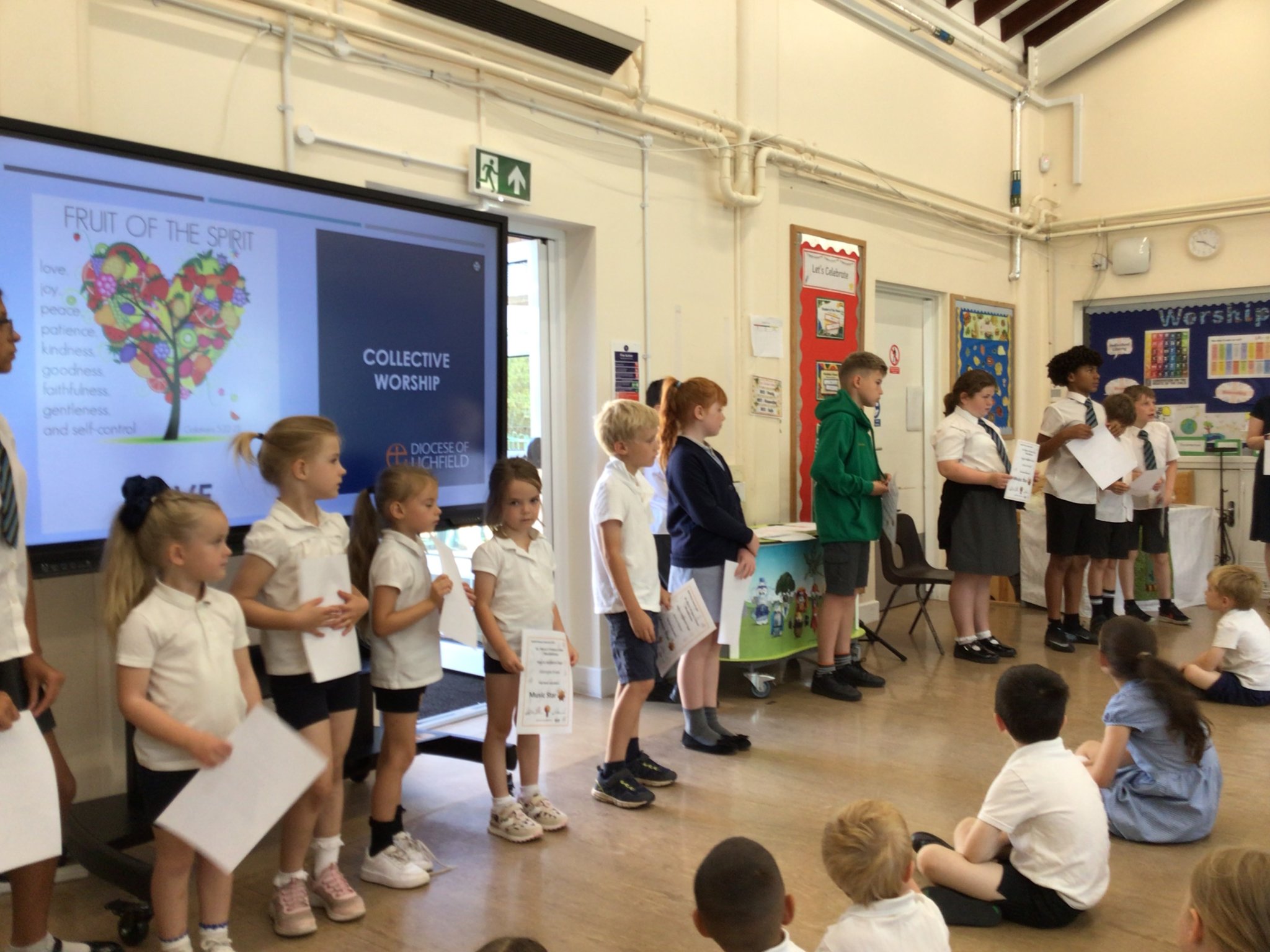
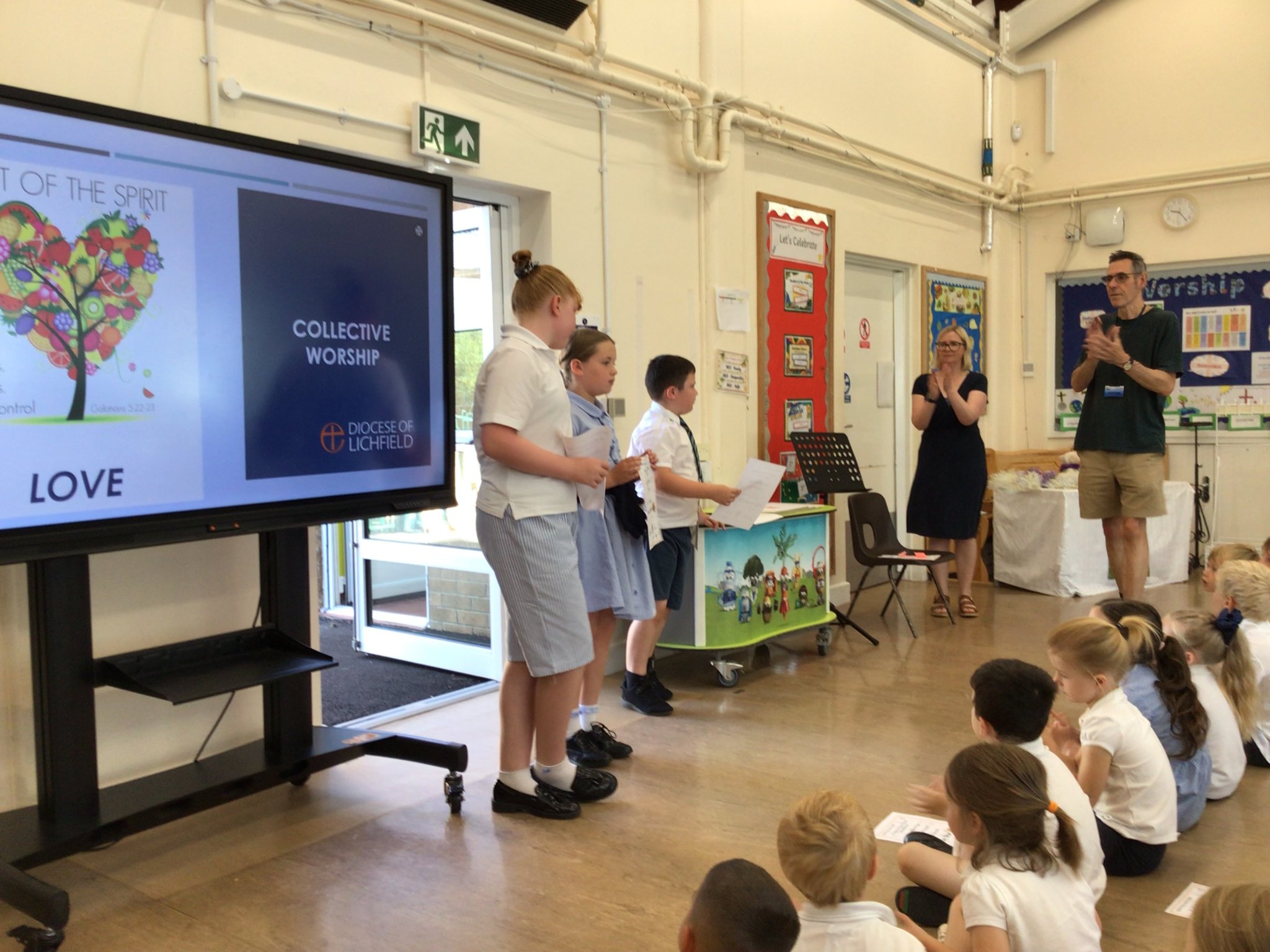
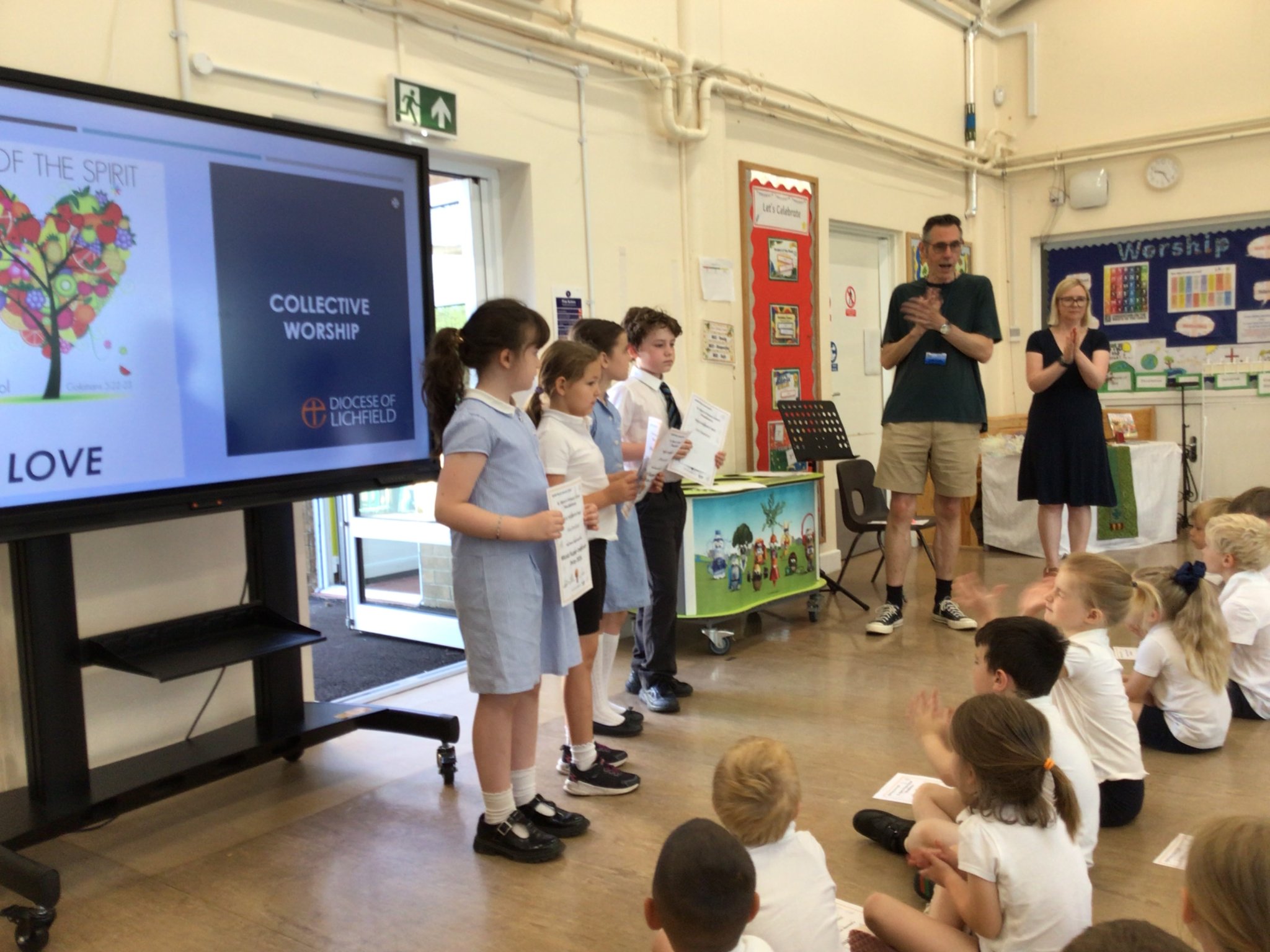
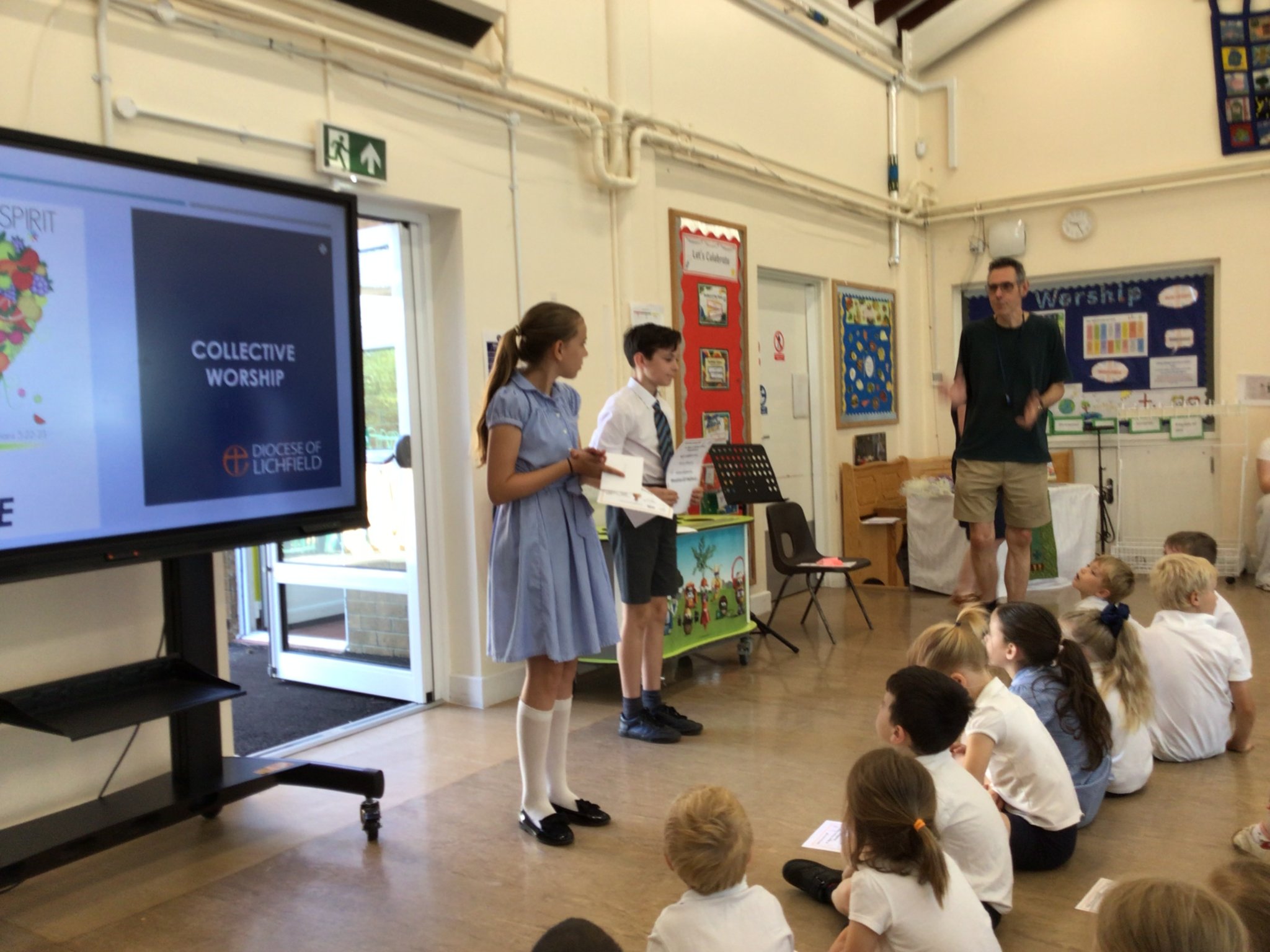
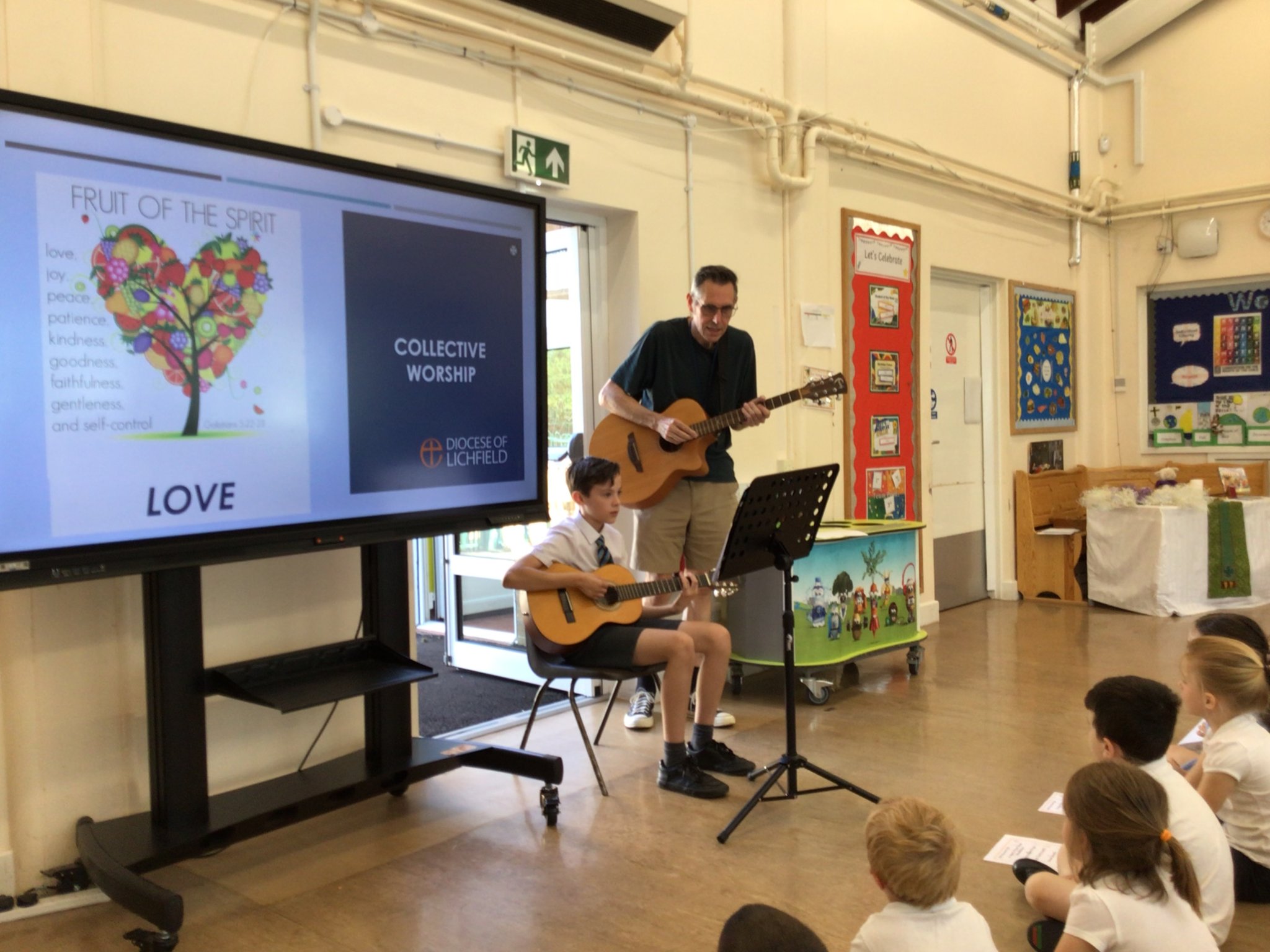
At St Mary’s, we are proud to nurture a love of music and provide rich opportunities for our pupils to develop as musicians. Currently, 40.4% of our children are learning a musical instrument, reflecting our strong commitment to musical education. We host two music concerts each year, alongside participating in a range of musical events beyond school, giving pupils valuable performance experiences. Every child is given the opportunity to perform, helping to build confidence, develop teamwork, and foster a sense of pride in supporting their peers. We also take part in school music festivals across the county and provide opportunities for pupils to experience live orchestral performances, inspiring their musical journey and broadening their cultural understanding.
School Based Music Tuition
- One to one or group guitar and ukulele tuition with Mrs Rhysian Gault.
- Clarinet and Flute Tuition with Mrs Catherine Gibson (Entrust Music Services).
- Violin and Singing Tuition with Rhysian Gault.
- 1:1 piano lessons with Martin Jones.
Please contact the school office for more information and for bookings.
Intent
At St Mary’s School we aim to encourage the children to develop their creativity and self-expression as they explore a range of musical elements. We hope to develop a lifelong love of music as the children listen, reflect and compare a wide range of different musical styles and genres. The children are encouraged to develop their confidence to perform using both their own voices and a range of musical instruments.
In line with the National Curriculum objectives for music, our intent is that all pupils –
- Develop their voices so they can sing as part of a group and also as an individual.
- Play a range of tuned and untuned percussion instruments as part of a group and individually.
- Develop their understanding of musical instruments through listening to and watching musical performances.
- Have the opportunity to listen to a range of pieces of music, which cover a variety of musical styles, cultures and historical periods such as jazz, classical music, rock music etc.
- Develop their understanding of different composers and some of the music that they composed.
- Appreciate the different musical elements such as pace, pitch and dynamics and they are able to use appropriate vocabulary when discussing these.
- Compose music as part of group and individually. When appropriate, they will use technology to aid with this.
Children within the Early Years are encouraged to -
- Sing a range of well-known nursery rhymes and songs.
- • Perform songs, rhymes, poems and stories with others, and – when appropriate –
- try to move in time with music
Implementation
At St Mary’s children are taught using the online scheme Charanga. They have weekly lessons which always include an opportunity to listen and appraise music, perform music and reflect upon their performances. Children are taught to sing a wide range of songs both within their music lessons and within whole school worship. As part of the links with the wider community, children have the opportunity to perform in a variety of different contexts such as in Church for the Harvest Festival. Children are taught to read basic musical notations as they explore how to play tuned and untuned percussion instruments. Children are encouraged to compose their own music and to perform their compositions for their peers.
Children are encouraged to develop and use the language of musical elements through direct teaching, discussions and an appreciation of these within specific examples of music.
Children with Special Educational Needs are encouraged and supported to access the music curriculum through careful support and differentiation.
Children within the Early Years access weekly music lessons with the year one and two children. They also have access to explore musical instruments within the continuous provision.
Impact
By the time children leave St Mary’s they will have –
- Moved through the program of studies at roughly the same pace as their peers. Children are encouraged to go on their own musical journeys as they discover areas of strength and aspects that they would like to further develop in the future.
- Developed their confidence and self-esteem as they perform in a variety of different contexts.
- Have an understanding of the elements of music, for example pulse, melody or rhythm.
- Develop an appreciation of music and an understanding that they can enjoy it in their own way, for example listening to, performing or composing music.
- Have an understanding of the culture and history of different musical genres from around the world.

PE Curriculum Intent
At St Mary's we recognise the importance of PE in developing the physical, intellectual social and emotional wellbeing of the children in our care. Our aim is to provide access to a variety of high-quality physical experiences to all of our pupils, ensuring that each individual is valued and encouraged to reach their full potential.
PE Curriculum Implementation
In Lesson time
We have a whole school scheme of work that gives depth and continuity to our PE curriculum, and ensures that children have a variety of physical learning experiences during their time at St Mary's. Our target is to ensure all the children at our school are active everyday; during the school day (this includes dough disco, physical activity during lessons, after school clubs and use of our play equipment at playtimes).
Each class has a 1-hour lesson of PE each week taught by a class teacher. Each class will also do athletics, outdoor and adventurous education and team building/ problem solving activities during the year. Children are also taught why it is important to be healthy through taking part in regular physical activity, during PE and science lessons.
All children, at the end of year 6, must achieve the government target of being able to swim at least 25m using a recognised stroke and carry out self survival skills in water. The children in lower key stage 2 go swimming for the whole of the autumn term.
Teachers will, when appropriate, make learning in the classroom active by adding physical tasks. Some examples of this are
- Phonic action songs such as ‘baby shark.’
- ‘body counting’ in maths which enables the children to practice their multiplication tables in a fun and active way.
- Spanish action songs.
During Playtimes and lunch times
We try and encourage the children at St Mary;s to be as active as possible during playtimes and lunch times. Staff on playground duty play an important role in encouraging this. There is a selection of playground equipment such as bats and balls, large balls, skipping ropes and stilts for the children to use. We are lucky enough to have an outdoor climbing wall that all children can access, and playground markings that also encourage activity. Each class has two timetabled football sessions each week either at playtime or lunchtime. When dry we use the field that can be used for games, and adventure play equipment on the playground that encourages purposeful activity.
Learning off site
We recognise that it is important to give children opportunities to experience some activities in different settings.Year 5 go to Standon Bowers for the day in the Spring term and Year 6 go on residential to Laches Wood for 2 nights.
Inter and Intra-school competitions
We are part of the Newcastle cluster, which provides regular sporting festivals and competitions for the children at our school to take part in; there are targeted events for children in KS1 and KS2. Examples of some of the events organised by the cluster are multi-skills festivals, cross country, athletics events, football and hockey.
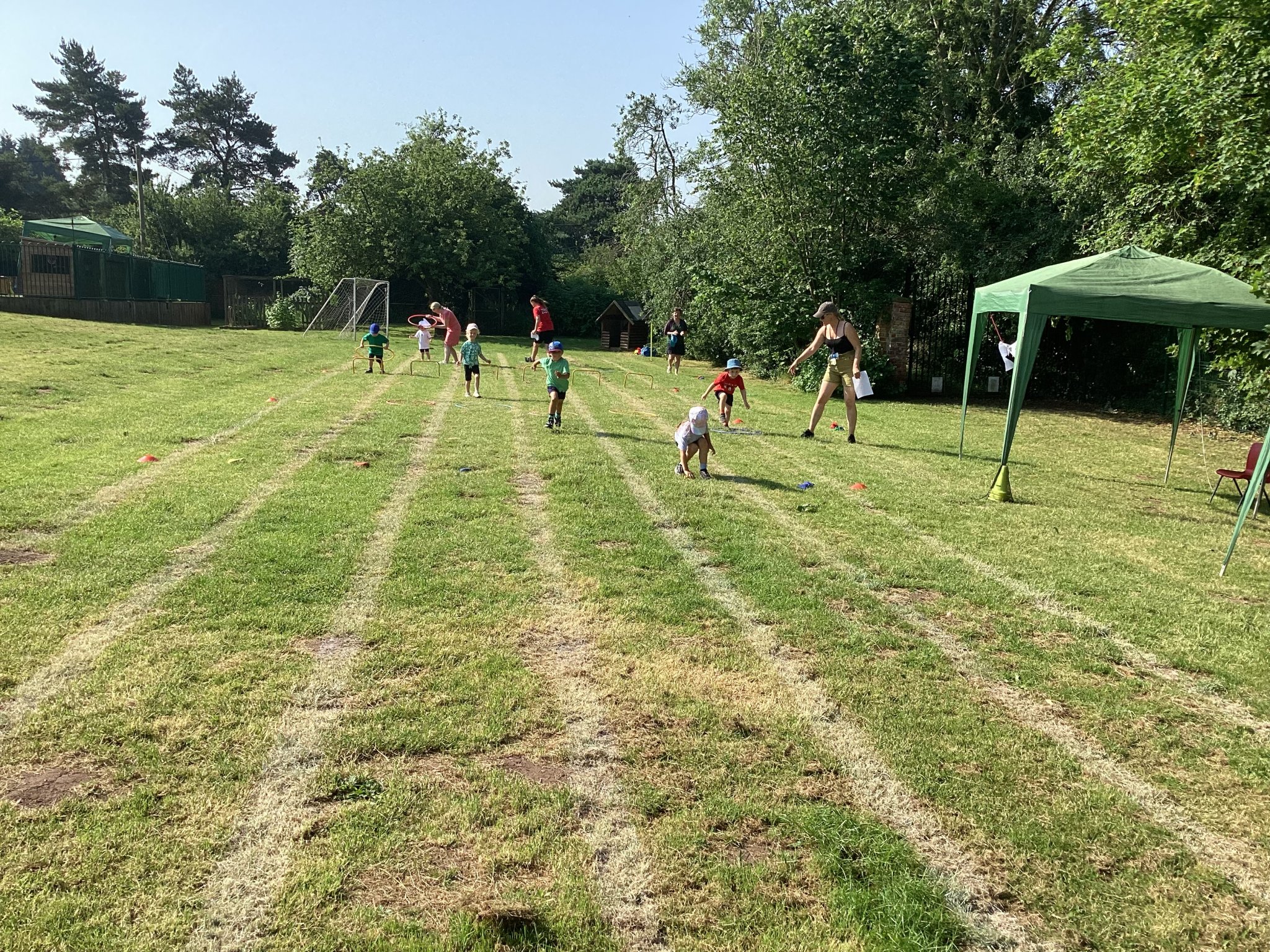
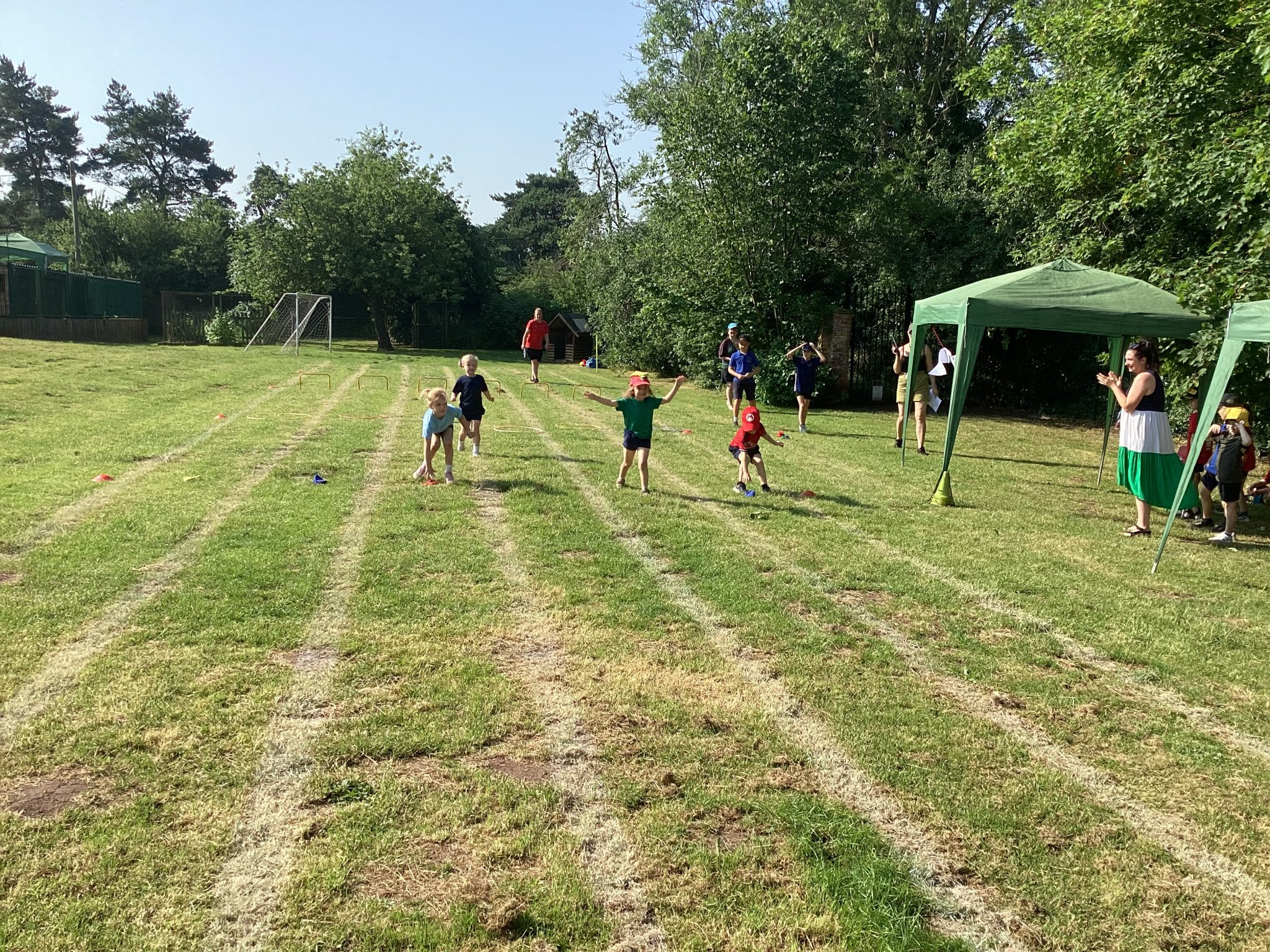
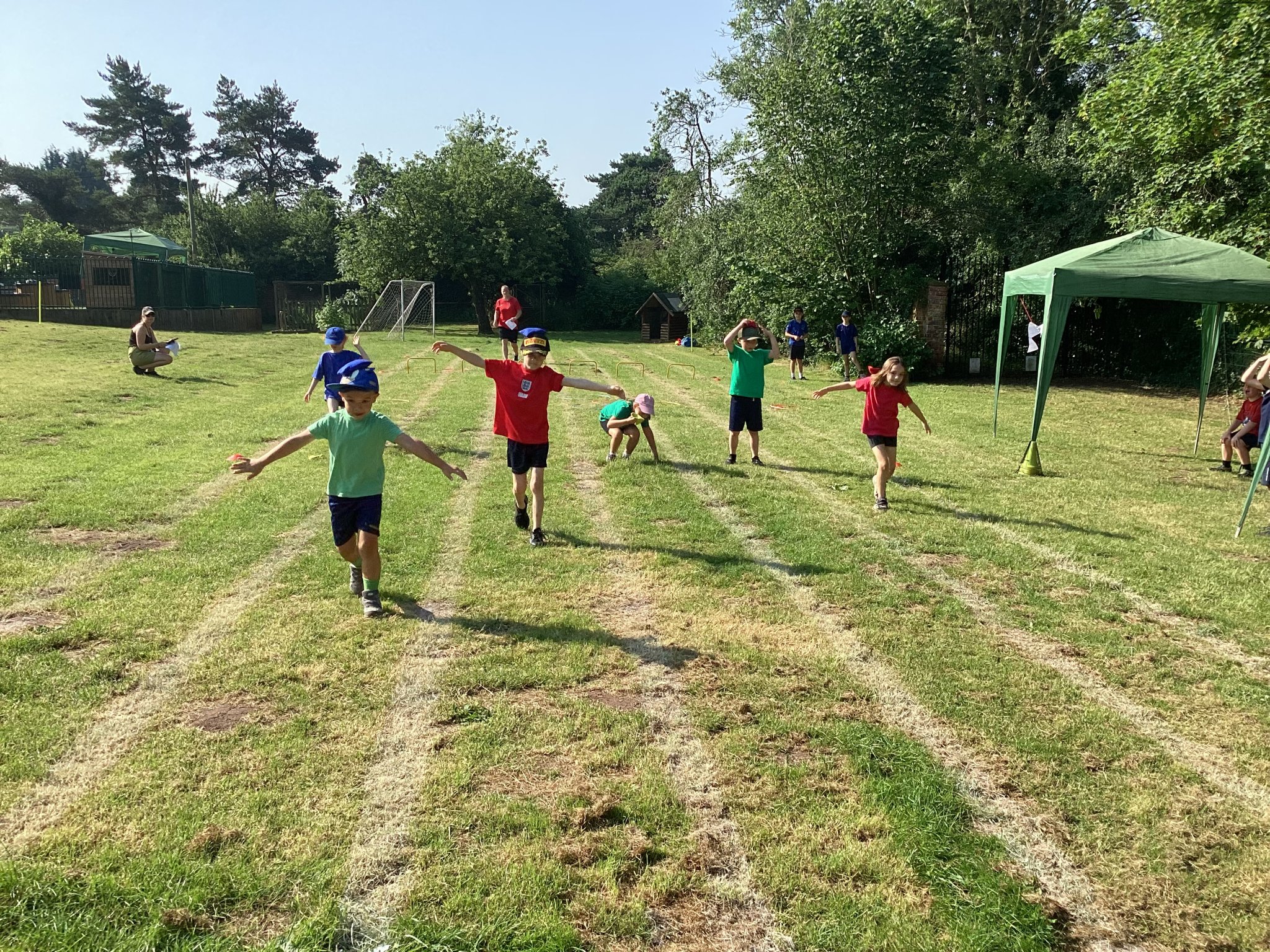
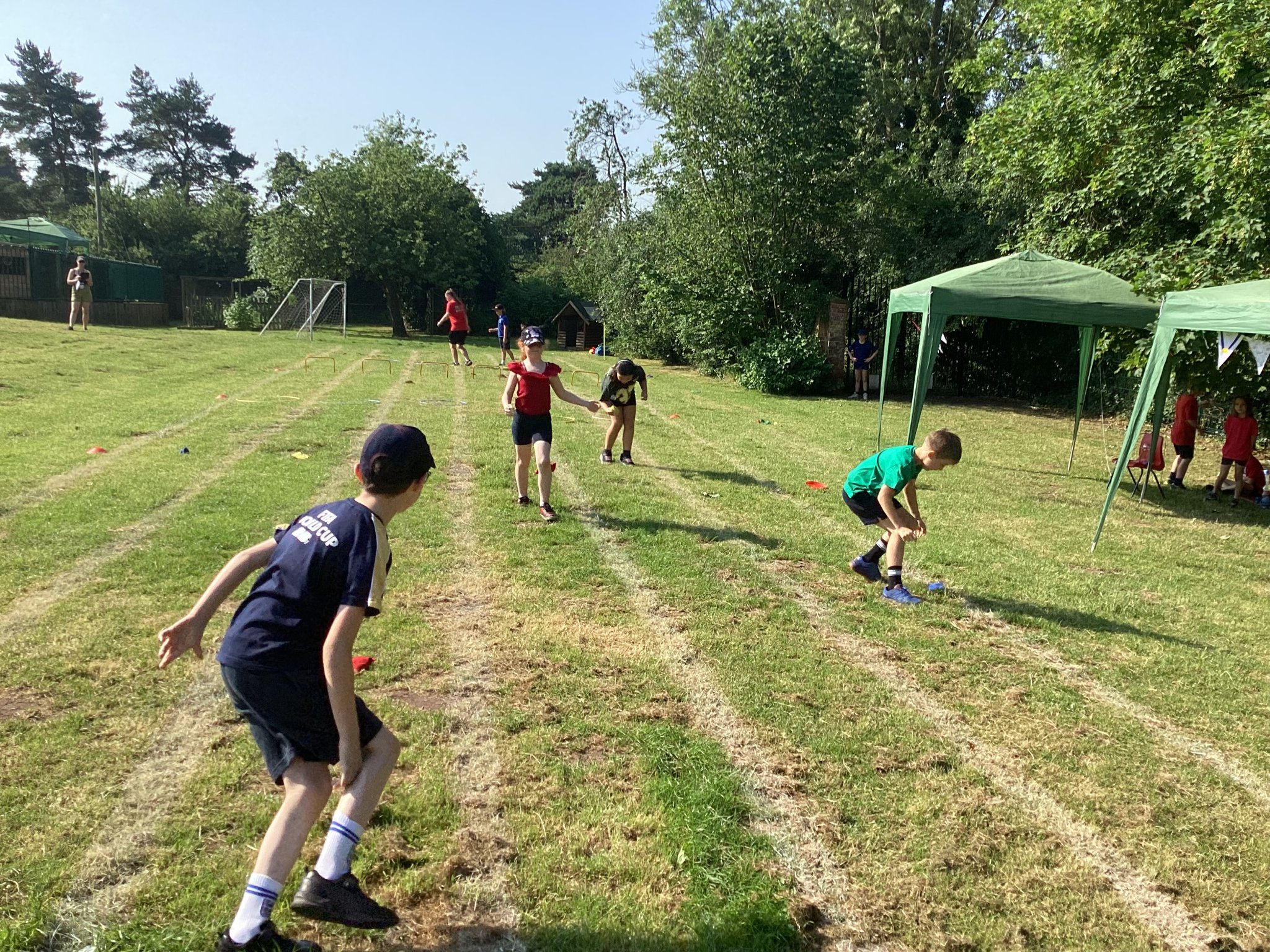
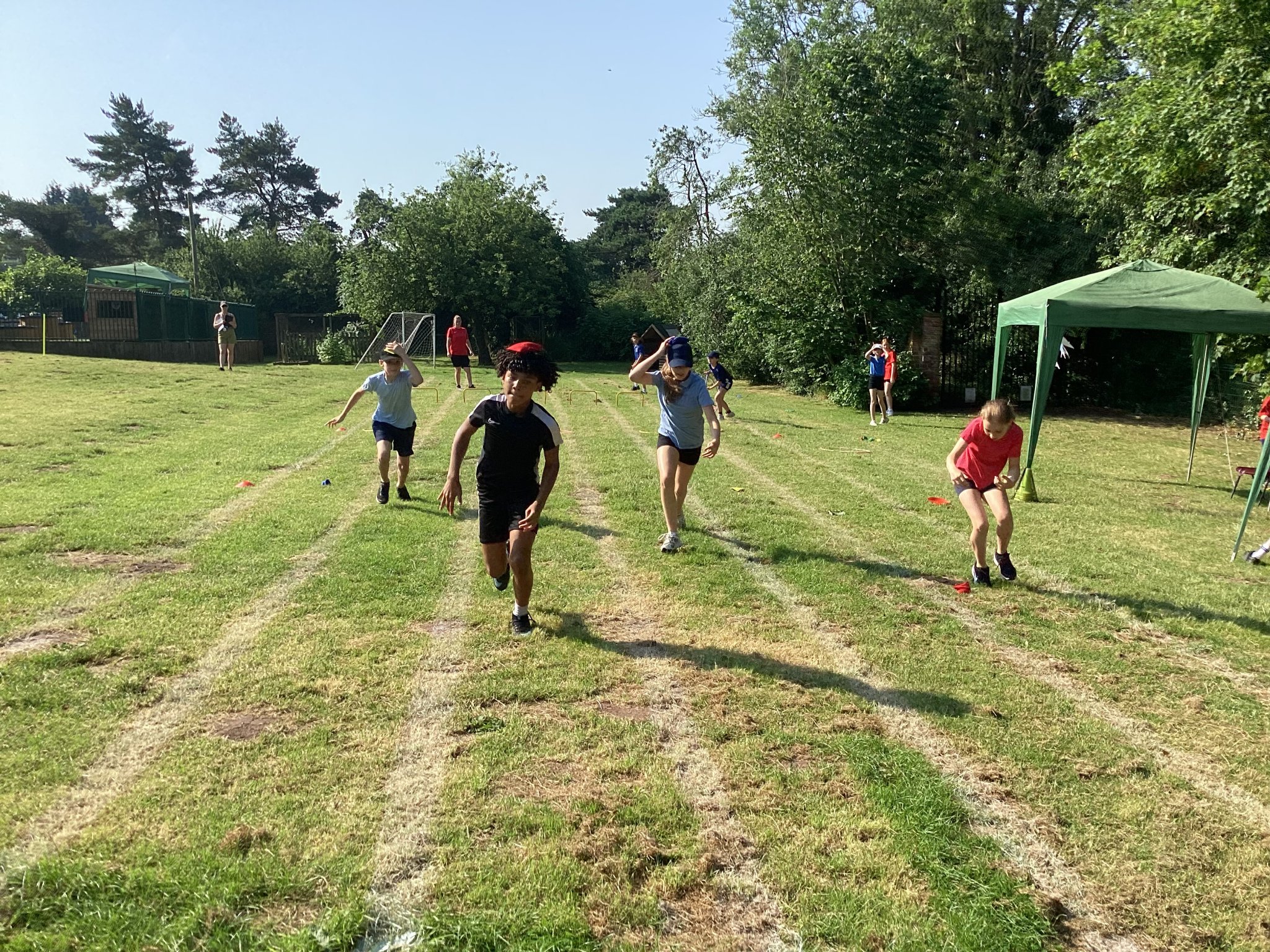
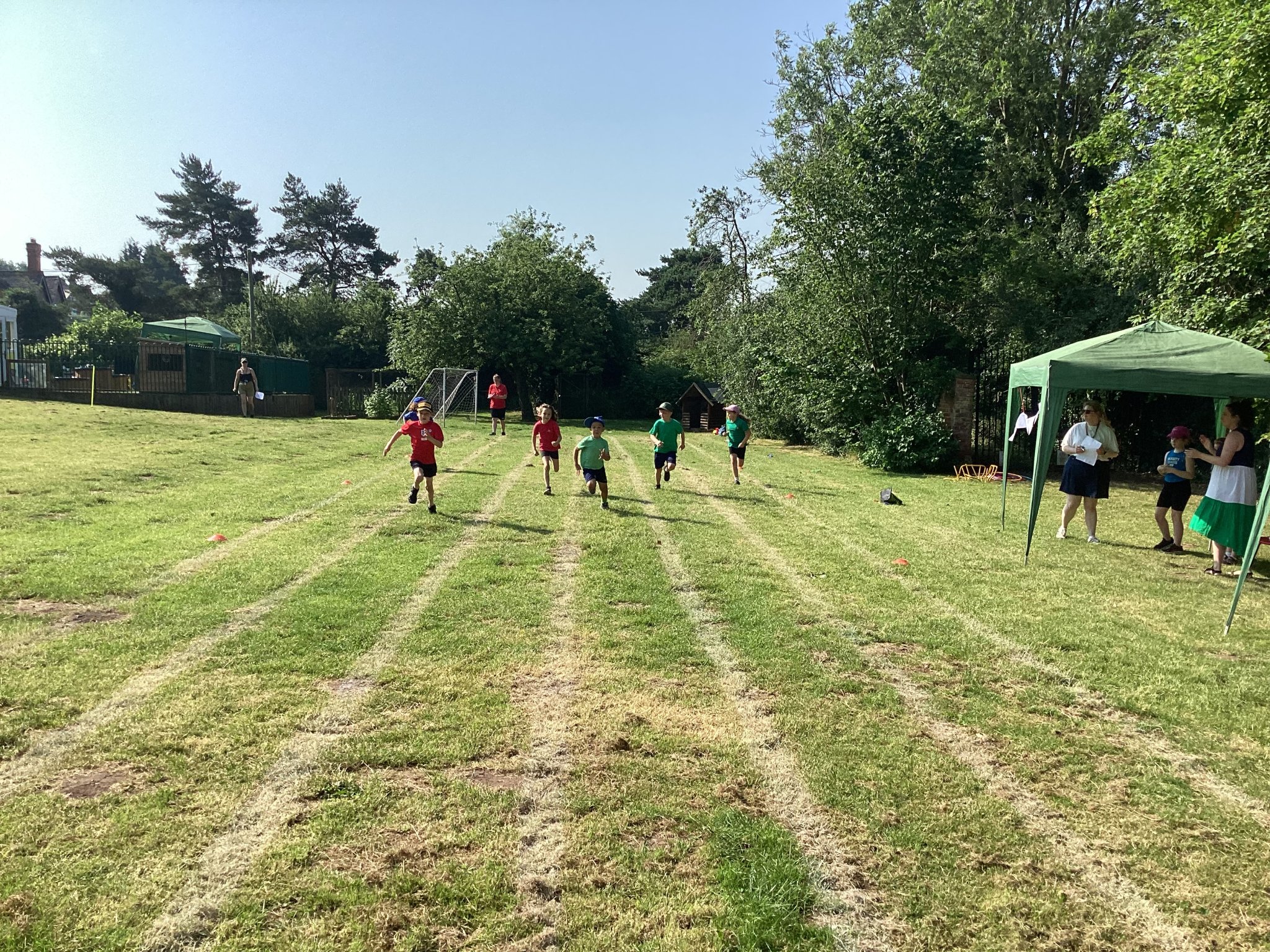
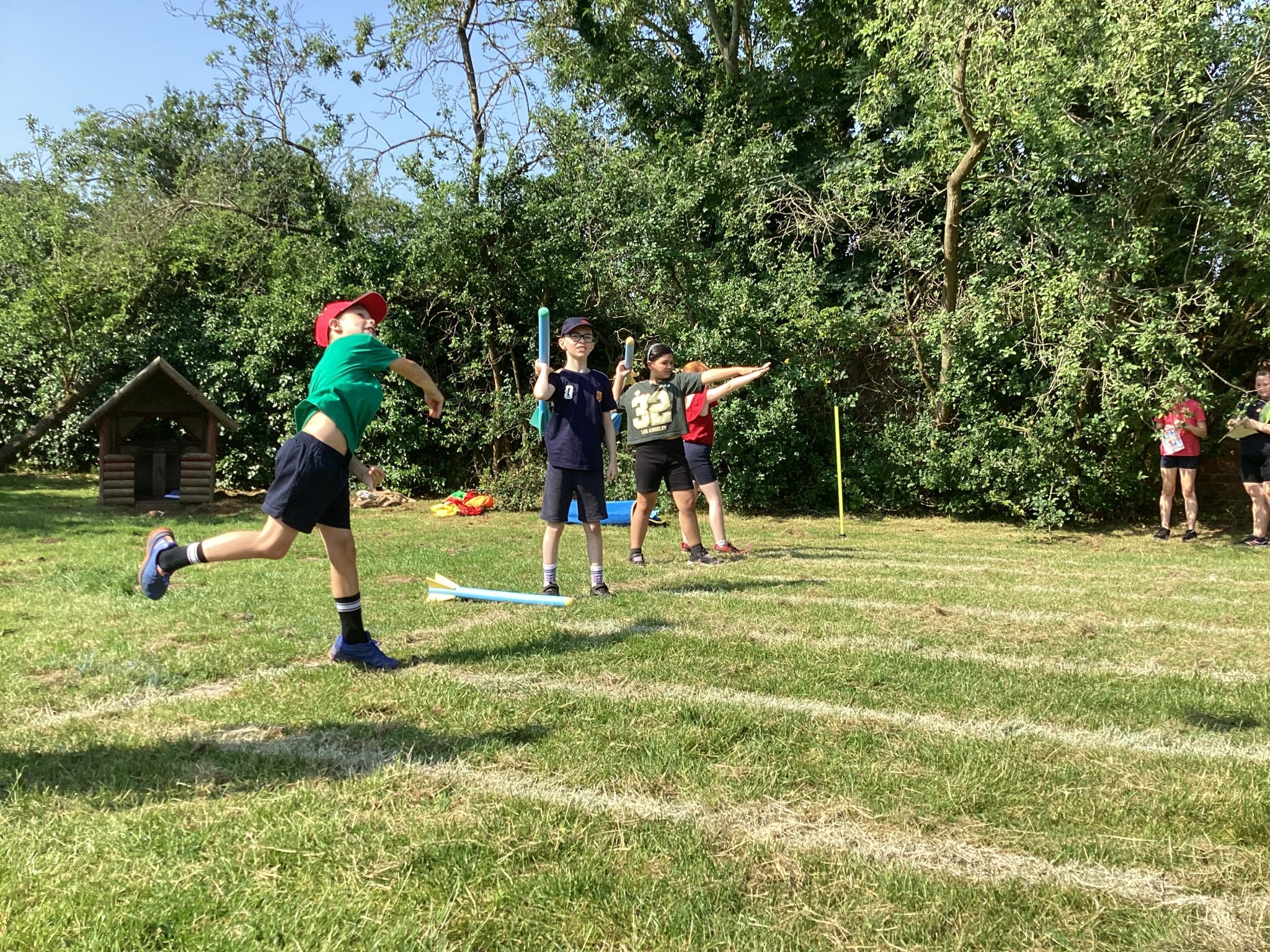
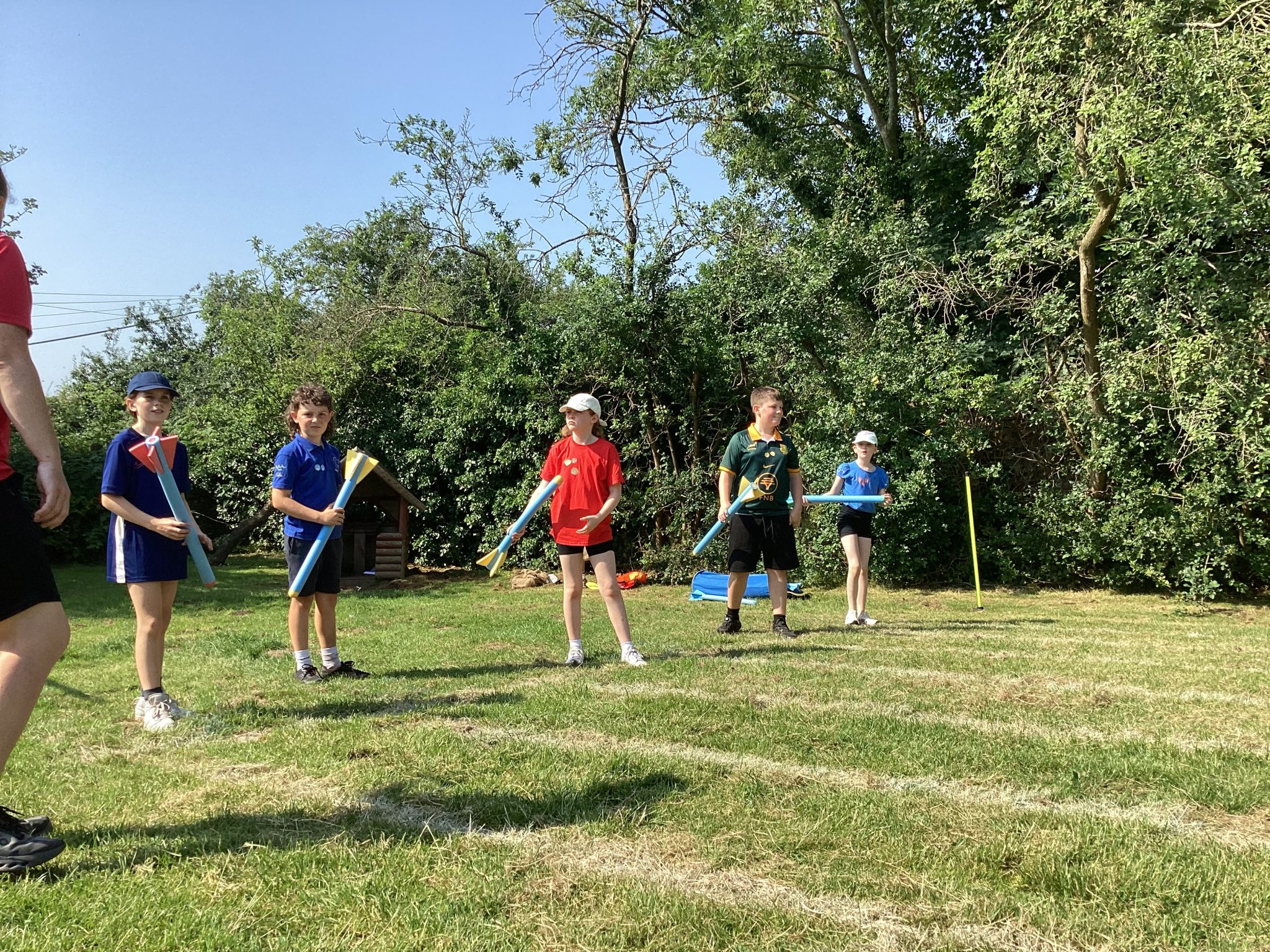
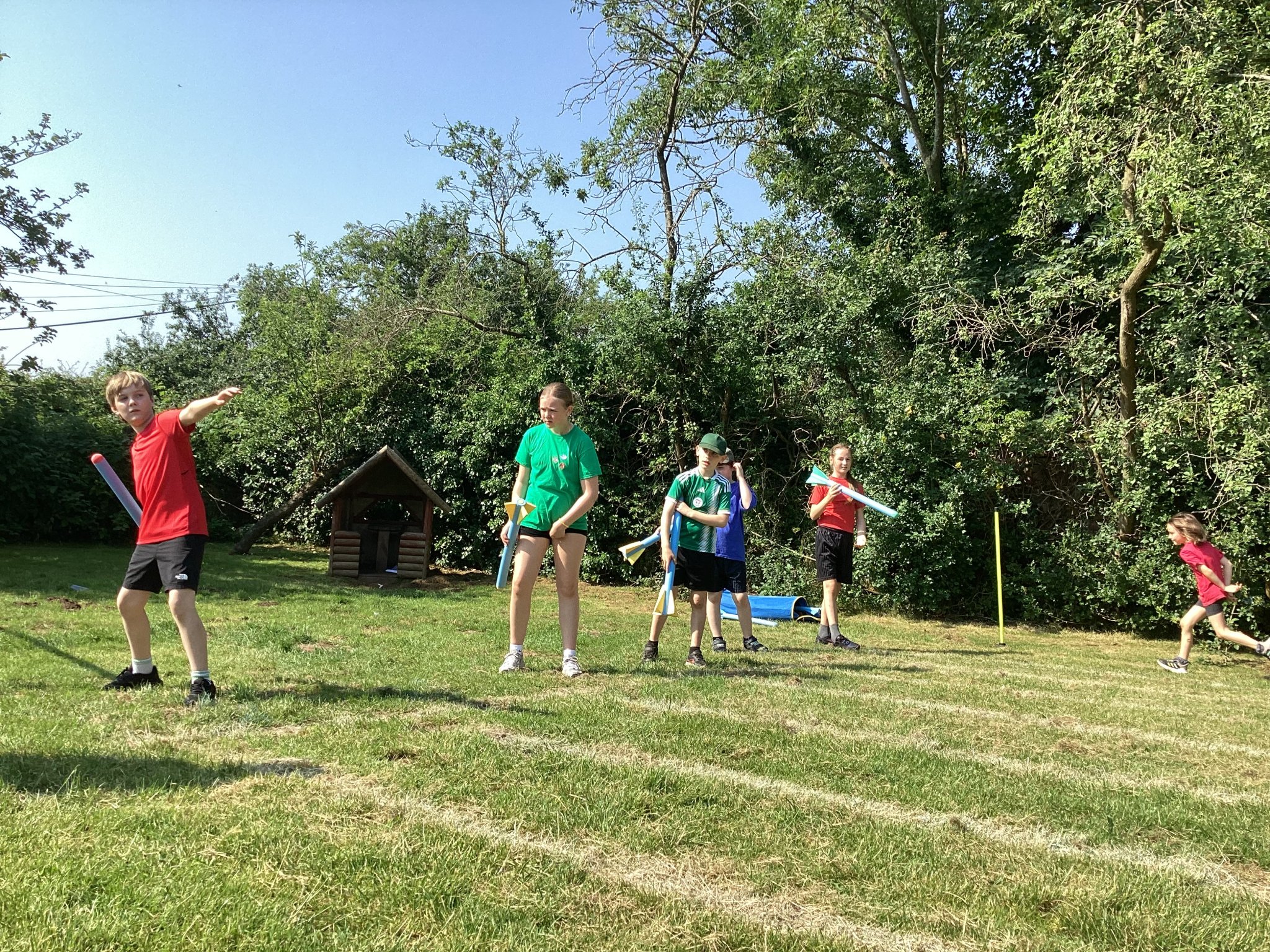
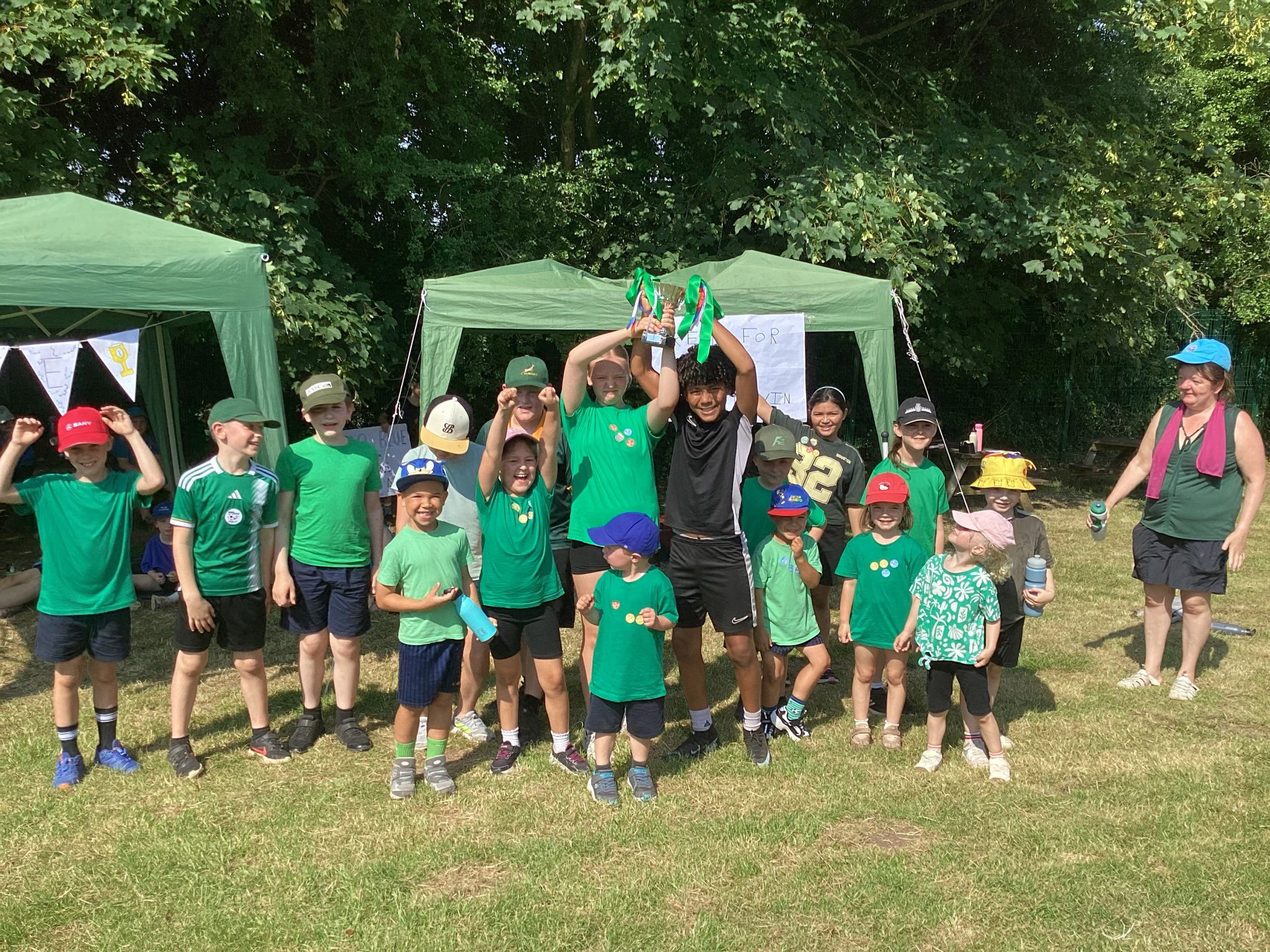
Each year we hold our own sports day.
PE Curriculum Impact
Our curriculum aims to improve the fitness and wellbeing of all the children at St Mary's Primary School. Within our lessons, children are taught the importance of this in leading a happy and healthy life. The impact that our curriculum is having on the children’s learning will be monitored during lessons by all class teachers, and by the PE lead through observations, feedback from staff and pupil conferencing. Our Facebook feed is continuously updated with photographic evidence of much of the sporting and physical activity that takes place at our school.
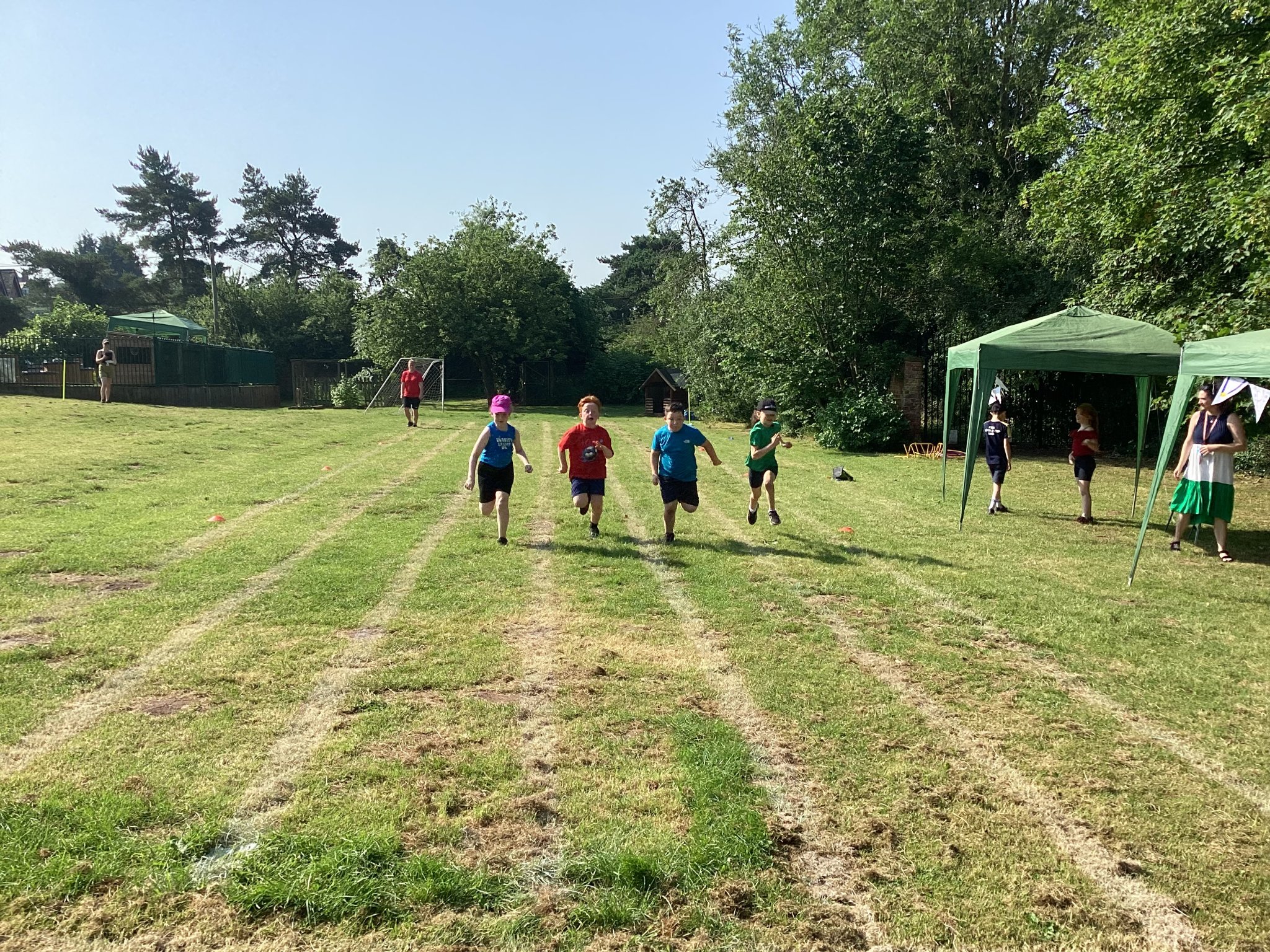
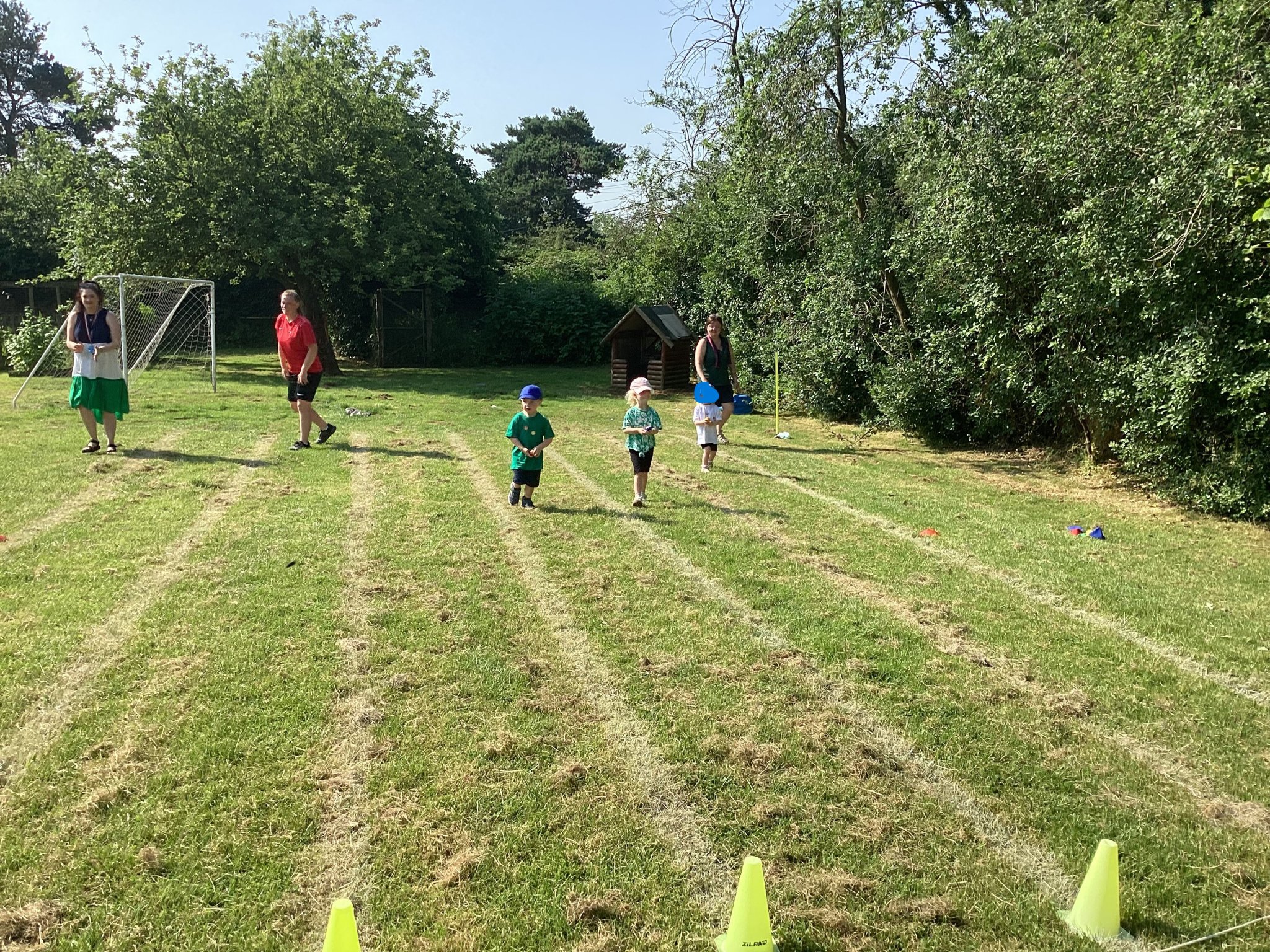
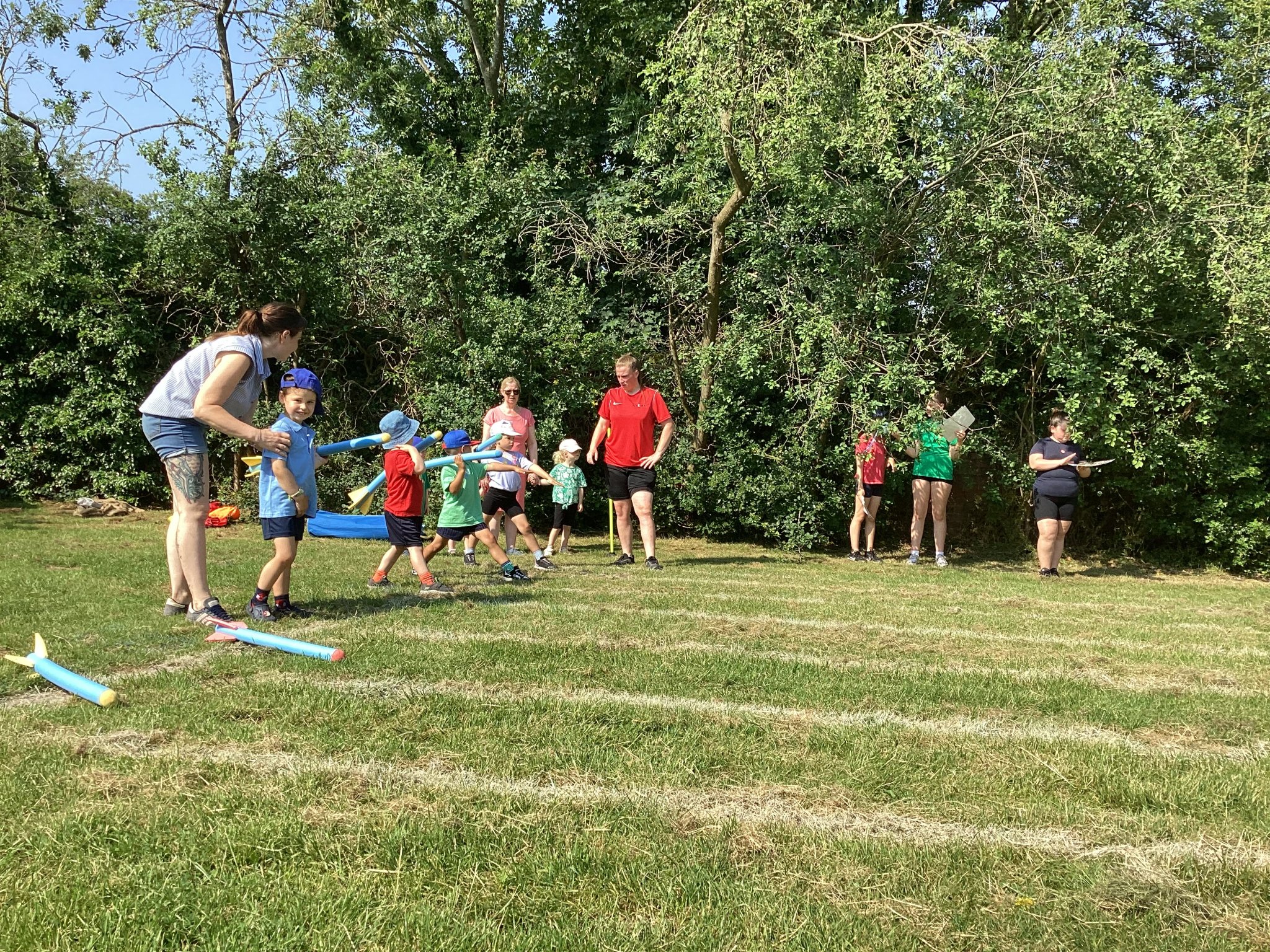
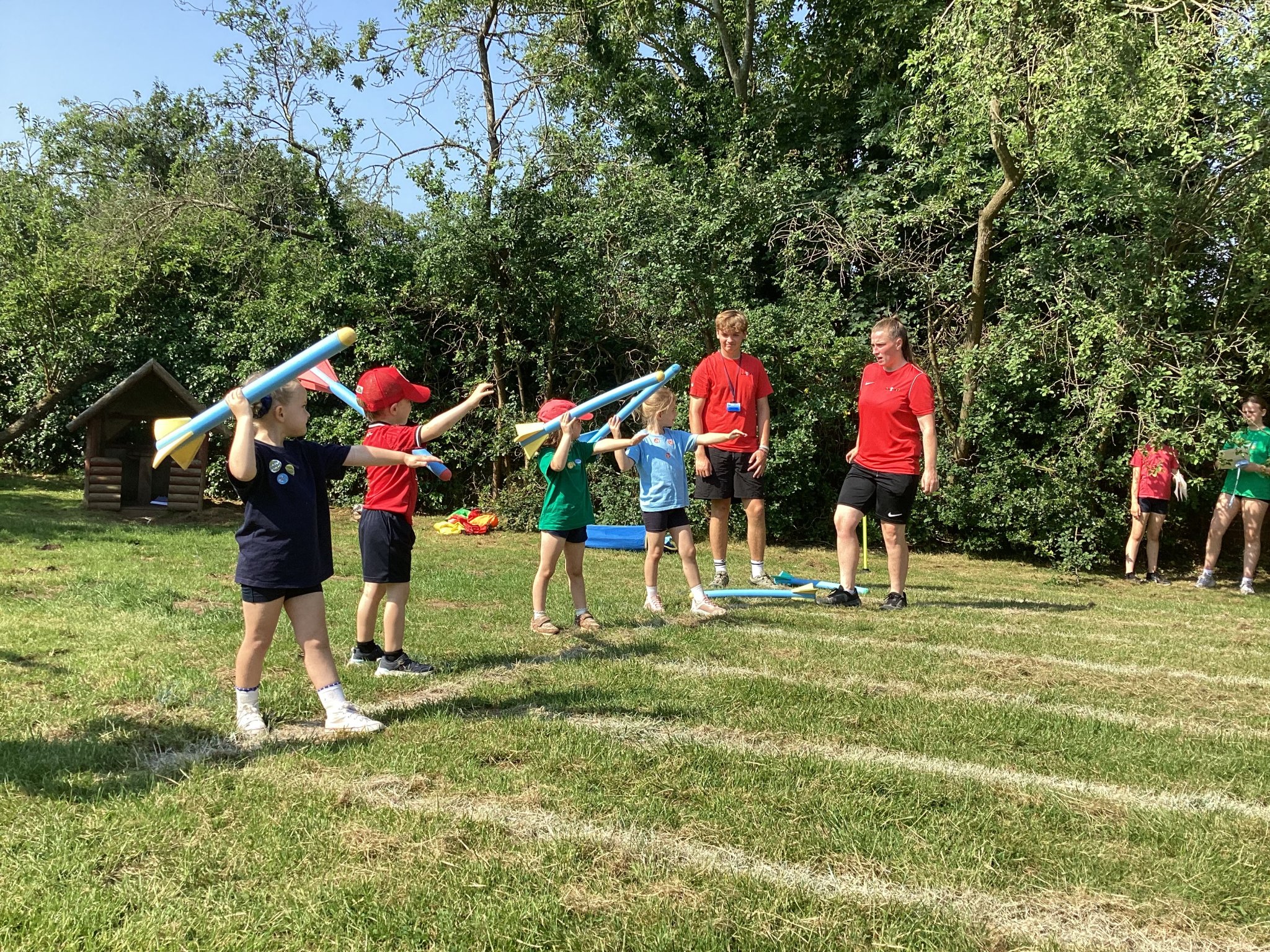
Sports Day 2026
Modern Foreign Languages (MFL)

At St Mary's we teach Spanish as a Modern Language.
Why do we learn Spanish?
- To understand and respond to spoken and written language from a variety of authentic sources.
- To speak with increasing confidence, fluency and spontaneity, finding ways of communicating what they want to say, including through discussion and asking questions, and continually improving the accuracy of their pronunciation and intonation.
- To write at varying lengths, for different purposes and audiences, using a variety of grammatical structures.
- To discover and develop an appreciation of a range of writing in the language studied.
Science


We live in an increasingly scientific and technological age where children need to acquire the knowledge, skills and attitudes to prepare them for life in the 21st century. We, at St Mary's Primary School, believe that teaching science fosters a curiosity, understanding and respect for the world in which children live.
Why is science important?
Through our science curriculum, we aim to help children develop as scientists, not only developing the skills needed to succeed in science, but also wider societal skills such as before we attack views we don’t like; and being prepared to admit our mistakes and change our minds in the light of new evidence.
We aim to do this through excellent teaching and learning within a robust, progressive, consistent, holistic, purposeful curriculum, which gives children the life chances and opportunities they deserve. With great emphasis on providing children with a high-quality science education that offers the foundations for understanding the world through the specific disciplines of biology, chemistry and physics, our curriculum design for Science across primary school promotes specific competences including knowledge, enquiry and working scientifically-based skills.
National Curriculum Purpose of Study
A high-quality science education provides the foundations for understanding the world through the specific disciplines of biology, chemistry and physics. Science has changed our lives and is vital to the world’s future prosperity, and all pupils should be taught essential aspects of the knowledge, methods, processes and uses of science. Through building up a body of key foundational knowledge and concepts, pupils should be encouraged to recognise the power of rational explanation and develop a sense of excitement and curiosity about natural phenomena. They should be encouraged to understand how science can be used to explain what is occurring, predict how things will behave, and analyse causes.

At St Mary's Primary School we teach history according to the National Curriculum expectations for history at EYFS, KS1 and KS2.
EYFS Expectations:
These are the Early Learning Goals that link most closely to the History National Curriculum:
- Understanding the World (People and Communities)
Children talk about past and present events in their own lives and in the lives of family members. They know about similarities and differences between themselves and others, and among families, communities and traditions.
- Understanding the World (The World)
Children know about similarities and differences in relation to places, objects, materials and living things. They talk about the features of their own immediate environment and how environments might vary from one another.
KS1 Expectations:
Pupils should be taught about:
- changes within living memory. Where appropriate, these should be used to reveal aspects of change in national life;
- events beyond living memory that are significant nationally or globally [for example the Great Fire of London, the first aeroplane flight or events commemorated through festivals or anniversaries;
- the lives of significant individuals in the past who have contributed to national and international achievements. Some should be used to compare aspects of life in different periods [for example Elizabeth I and Queen Victoria, Christopher Columbus and Neil Armstrong, William Caxton and Tim Berners-Lee, Pieter Bruegel the Elder and LS Lowry, Rosa Parks and Emily Davison, Mary Seacole and/or Florence Nightingale and Edith Cavell;
- significant historical events, people and places in their own locality.
KS2 Expectations:
Pupils should be taught about:
- changes in Britain from the Stone Age to the Iron Age;
- the Roman Empire and its impact on Britain;
- Britain’s settlement by Anglo-Saxons and Scots;
- the Viking and Anglo-Saxon struggle for the Kingdom of England to the time of Edward the Confessor;
- a local history study;
- a study of an aspect or theme in British history that extends pupils’ chronological knowledge beyond 1066;
- the achievements of the earliest civilizations – an overview of where and when the first civilizations appeared and a depth study of one of the following: Ancient Sumer; The Indus Valley; Ancient Egypt; The Shang Dynasty of Ancient China;
- Ancient Greece – a study of Greek life and achievements and their influence on the western world;
- a non-European society that provides contrasts with British history – one study chosen from: early Islamic civilization, including a study of Baghdad c. AD 900; Mayan civilization c. AD 900; Benin (West Africa) c. AD 900-1300.

Geography is an important foundation subject as it sparks interest and fascination for children about the world around them. The children at St Mary's Primary School learn about their world through comparing locations, investigating, writing and talking about places; which includes being responsible citizens when thinking about the local, national and global challenges to our world.
Our vision is to provide children with opportunities to know that the world is full of wonders worth discovering. Through their growing knowledge and understanding of geography, our vision is that the children will gain an appreciation of life in other cultures and to recognise the importance of sustainable development for the future of mankind.
At St Mary's Primary School we teach geography according to the following National Curriculum expectations for geography at EYFS, KS1 and KS2.
EYFS Expectations:
These Early Learning Goals are the ones that link most closely to the Geography National Curriculum.
Understanding the World (People and Communities)
Children know about similarities and differences between themselves and others, and among families, communities and traditions.
Understanding the World (The World)
Children know about similarities and differences in relation to places, objects, materials and living things. They talk about the features of their own immediate environment and how environments might vary from one another.
End of KS1 Expectations
Locational Knowledge
Pupils should be taught to:
- name and locate the world’s seven continents and five oceans;
- name, locate and identify characteristics of the four countries and capital cities of the United Kingdom and its surrounding seas.
Place Knowledge
Pupils should be taught to:
- understand geographical similarities and differences through studying the human and physical geography of a small area of the United Kingdom, and of a small area in a contrasting non-European country.
Human and Physical Geography
Pupils should be taught to:
- identify seasonal and daily weather patterns in the United Kingdom and the location of hot and cold areas of the world in relation to the Equator and the North and South Poles;
- use basic geographical vocabulary to refer to:
- key physical features, including: beach, cliff, coast, forest, hill, mountain, sea, ocean,
river, soil, valley, vegetation, season and weather;
- key human features, including: city, town, village, factory, farm, house, office, port, harbour and shop.
Geographical Skills and Fieldwork
Pupils should be taught to:
- use world maps, atlases and globes to identify the United Kingdom and its countries, as well as the countries, continents and oceans studied at this key stage;
- use simple compass directions (North, South, East and West) and locational and directional language [for example, near and far; left and right], to describe the location of features and routes on a map;
- use aerial photographs and plan perspectives to recognise landmarks and basic human and physical features; devise a simple map; and use and construct basic symbols in a key;
- use simple fieldwork and observational skills to study the geography of their school and its grounds and the key human and physical features of its surrounding environment.
End of KS2 Expectations
Locational Knowledge
Pupils should be taught to:
- locate the world’s countries, using maps to focus on Europe (including the location of Russia) and North and South America, concentrating on their environmental regions, key physical and human characteristics, countries, and major cities;
- name and locate counties and cities of the United Kingdom, geographical regions and their identifying human and physical characteristics, key topographical features (including hills, mountains, coasts and rivers), and land-use patterns; and understand how some of these aspects have changed over time;
- identify the position and significance of latitude, longitude, Equator, Northern Hemisphere, Southern Hemisphere, the Tropics of Cancer and Capricorn, Arctic and Antarctic Circle, the Prime/Greenwich Meridian and time zones (including day and night).
Place Knowledge
Pupils should be taught to:
- understand geographical similarities and differences through the study of human and physical geography of a region of the United Kingdom, a region in a European country, and a region within North or South America.
Human and Physical Geography
Pupils should be taught to:
- describe and understand key aspects of:
- physical geography, including: climate zones, biomes and vegetation belts, rivers,
mountains, volcanoes and earthquakes, and the water cycle;
- human geography, including: types of settlement and land use, economic activity
including trade links, and the distribution of natural resources including energy, food, minerals and water.
Geographical Skills and Fieldwork
Pupils should be taught to:
- use maps, atlases, globes and digital/computer mapping to locate countries and describe features studied;
- use the eight points of a compass, four and six-figure grid references, symbols and key (including the use of Ordnance Survey maps) to build their knowledge of the United Kingdom and the wider world;
- use fieldwork to observe, measure, record and present the human and physical features in the local area using a range of methods, including sketch maps, plans and graphs, and digital technologies.

At St Mary's we know that an essential skill the children need to learn and be confident in, is I.T. (Information Technology). We teach concepts such as: algorithm, simple programming, reasoning, sequence and selection in a way that engages our pupils to prepare them to participate in a rapidly changing world.

Art is an important foundation subject as it enriches the children’s experience in school. It encourages self-expression, imagination and creativity and can build confidence as well as a sense of individual identity. At St Mary's School, we also believe that learning about and through art fosters transferable skills and boost overall academic achievement, leading to better future work opportunities, enhanced well-being, and self-esteem.
At St Mary's School we teach art according to the following National Curriculum expectations for art and design at EYFS, KS1 and KS2 through Grammasaurus. We look at Monochromatic. Chromatic and Sculptures.
EYFS Expectations:
Here are the Early learning goals that link most closely to the Art and Design curriculum:
- Expressive Arts and Design (Exploring and Using Media and Materials)
Children safely use and explore a variety of materials, tools and techniques, experimenting with colour, design, texture, form and function.
- Expressive Arts and Design (Being Imaginative)
Children use what they have learnt about media and materials in original ways, thinking about uses and purposes. They represent their own ideas, thoughts and feelings through design and technology, art, music, dance, role play and stories.
End of KS1 Expectations
Pupils should be taught:
- to use a range of materials creatively to design and make products;
- to use drawing, painting and sculpture to develop and share their ideas, experiences and imagination;
- to develop a wide range of art and design techniques in using colour, pattern, texture, line, shape, form and space;
- about the work of a range of artists, craft makers and designers, describing the differences and similarities between different practices and disciplines, and making links to their own work.
End of KS2 Expectations
Pupils should be taught:
- to develop their techniques, including their control and their use of materials, with creativity, experimentation and an increasing awareness of different kinds of art, craft and design;
- to create sketch books to record their observations and use them to review and revisit ideas;
- to improve their mastery of art and design techniques, including drawing, painting and sculpture with a range of materials [for example, pencil, charcoal, paint, clay];
- about great artists, architects and designers in history.

Design and Technology develops children’s skills and knowledge in design, structures, mechanisms, electrical control and a range of materials, including food. It encourages children’s creativity and encourages them to think about important issues, many of which support our curriculum drivers of health and global affairs.
At St Mary's School, we also believe that design and technology nurtures creativity and innovation through design, and by exploring the designed and made world in which we live and work. links to the other subjects in our curriculum which supports our delivery by making learning fun and puts subjects into a more understandable and meaningful context.
At St Mary's School we teach Design and Technology according to the following National Curriculum expectations for art and design at EYFS, KS1 and KS2 and we follow Grammasaurus.
EYFS Expectations:
Here are the Early learning goals that link most closely to the Design and Technology curriculum:
Expressive Arts and Design (Exploring and Using Media and Materials)
Children safely use and explore a variety of materials, tools and techniques, experimenting with colour, design, texture, form and function.
Expressive Arts and Design (Being Imaginative)
Children use what they have learnt about media and materials in original ways, thinking about uses and purposes. They represent their own ideas, thoughts and feelings through design and technology, art, music, dance, role play and stories.
Physical development (Moving and Handling)
Children handle equipment and tools effectively, including pencils for writing.
End of KS1 Expectations
Design
Pupils should be taught to:
- design purposeful, functional, appealing products for themselves and other users based on design criteria;
- generate, develop, model and communicate their ideas through talking, drawing, templates, mock-ups and, where appropriate, information and communication technology.
Make
Pupils should be taught to:
- select from and use a range of tools and equipment to perform practical tasks [for example, cutting, shaping, joining and finishing];
- select from and use a wide range of materials and components, including construction materials, textiles and ingredients, according to their characteristics.
Evaluate
Pupils should be taught to:
- explore and evaluate a range of existing products;
- evaluate their ideas and products against design criteria.
Technical Knowledge
Pupils should be taught to:
- build structures, exploring how they can be made stronger, stiffer and more stable;
- explore and use mechanisms [for example, levers, sliders, wheels and axles], in their products.
Cooking and Nutrition
Pupils should be taught to:
- use the basic principles of a healthy and varied diet to prepare dishes;
understand where food comes from.
End of KS2 Expectations
Design
Pupils should be taught to:
- use research and develop design criteria to inform the design of innovative, functional, appealing products that are fit for purpose, aimed at particular individuals or groups;
- generate, develop, model and communicate their ideas through discussion, annotated sketches, cross-sectional and exploded diagrams, prototypes, pattern pieces and computer-aided design.
Make
Pupils should be taught to:
- select from and use a wider range of tools and equipment to perform practical tasks [for example, cutting, shaping, joining and finishing], accurately;
- select from and use a wider range of materials and components, including construction materials, textiles and ingredients, according to their functional properties and aesthetic qualities.
Evaluate
Pupils should be taught to:
- investigate and analyse a range of existing products;
- evaluate their ideas and products against their own design criteria and consider the views of others to improve their work;
understand how key events and individuals in design and technology have helped shape the world.
Technical Knowledge
- apply their understanding of how to strengthen, stiffen and reinforce more complex structures;
- understand and use mechanical systems in their products [for example, gears, pulleys, cams, levers and linkages];
- understand and use electrical systems in their products [for example, series circuits incorporating switches, bulbs, buzzers and motors];
- apply their understanding of computing to program, monitor and control their products.
Cooking and Nutrition
Pupils should be taught to:
- understand and apply the principles of a healthy and varied diet;
- prepare and cook a variety of predominantly savoury dishes using a range of cooking techniques;
- understand seasonality, and know where and how a variety of ingredients are grown, reared, caught and processed.

Statement of Intent for Religious Education.
Intent
St Mary’s is a Church of England school. The Christian faith is the core of everything we do, how we live, love and learn. Our Christian distinctiveness is evident throughout our school, through the school and people inside the school. The culture of our school is deep rooted in respect, tolerance and understanding. We have Christian values, such as kindness, gratitude, forgiveness, courage. thoughtfulness and perseverance that teach us how to blossom and grow into adults who will make a positive contribution to our global society.
The aim for all of the children in RE is –
- To provoke challenging questions and awe and wonder ideas about the meaning of life, God and the nature of morality and reality
- Develop pupils’ knowledge and understanding of Christianity, other world religions namely – Judaism and the Islamic faith. To explore and develop an understanding of world views
- To encourage pupils to develop their sense of identity and belonging, in order to flourish in our church and local community, as responsible citizens by respecting and celebrating difference and challenging prejudice
- To prompt pupils to consider their responsibilities to themselves and others and explore how they may contribute to their wider world demonstrating our Christian and British values
Implementation
Our curriculum is shaped by our vision, which aims to enable all children regardless of background, ability or need, to flourish through a unique and deep curriculum and reach their full potential. We teach a high quality RE curriculum through NATRE (National Association of Teachers of Religious Education). NATRE ensures pupils are given the opportunity to become religiously literate. Children will explore the different concepts in a range of rich, meaningful and inspiring activities (taught by the class teacher for one hour each week) as they move through the school from Foundation stage and developing a great depth of understanding by the time they reach Year 6. Concepts explored in KS3 can provide excellent challenge and depth for the academically more able pupils.
Impact
By the time children leave St Mary’s they will –
- Ask reflective questions and offer possible answers to challenging questions about the meaning of life, beliefs, nature of morality and reality
- Have a secure knowledge and understanding of the religions (their nature, truth and values) studied and use a cross curricular approach to support further RE learning
- To demonstrate respect, reverence and tolerance and an understanding of religions and beliefs
- Develop a strong sense of identity and belonging
- Have the ability to exemplify the school’s Christian values in all aspects of life - that are rooted in the teachings of the Bible
Policy Statement: Right to Withdraw from Religious Education (RE)
1. Legal Framework
In accordance with Section 71 of the School Standards and Framework Act 1998 and the Education Act 1996, parents have the legal right to withdraw their child from all or part of Religious Education (RE). This applies to all pupils in state-funded schools in England, including those in the sixth form. Pupils aged 18 or over may withdraw themselves from RE.
2. Procedure for Withdrawal
- Requests for withdrawal must be submitted in writing to the Headteacher.
- The request should specify whether the withdrawal applies to all RE lessons or particular elements.
- The school will acknowledge receipt of the request and confirm arrangements.
3. Alternative Provision
Where a pupil is withdrawn from RE, the school will provide appropriate supervision and, where possible, alternative educational activities during RE lesson times.
4. Consultation and Support
The school encourages parents and carers to discuss any concerns prior to withdrawal. This allows us to explain the aims, content, and inclusive nature of our RE curriculum, which supports pupils’ understanding of diverse beliefs, values, and worldviews.
5. Review
This policy will be reviewed annually to ensure compliance with current legislation and guidance.